Author: Editor

  • Spiritual Growth and Maturity – Benefits of God’s Love

    Spiritual Growth and Maturity – Benefits of God’s Love

    “But grow in the grace and knowledge of your Lord and Savior Jesus Christ. To him be glory both now and forever! Amen.” – 2 Peter 3:18

    The journey of spiritual growth and maturity is a lifelong process that unfolds as you open yourself to the life-changing power of God’s love. In this article, second in a series, we explore how God’s love nurtures your spiritual growth, enabling you to cultivate stronger character, align your life with divine principles, and develop a deeper understanding of yourself and others.

    The Role of God’s Love in Spiritual Growth

    At the core of spiritual growth lies a deep connection with your Creator, and God’s love serves as the catalyst for this growth. It is a love that accepts you unconditionally, encouraging you to embark on a journey of self-discovery and transformation. As you immerse yourself in God’s love, you can find the nourishment and guidance necessary to develop your spiritual potential more and more throughout your life.

    Cultivating Virtues

    God’s love empowers you to nurture virtues that reflect the essence of divine nature. Compassion, forgiveness, patience, humility, and many others become integral aspects of your character as you allow God’s love to permeate your being. Through the practice of these virtues, you not only grow spiritually but also enhance harmonious relationships with others and contribute to the well-being of the world around you.

    • Compassion, born out of God’s love, enables you to extend kindness and empathy to all beings. This can mean not only people but animals as well. It allows you to recognize the inherent worth and dignity of every individual, leading to a sense of interconnectedness and unity. By cultivating compassion, you develop a genuine concern for the welfare of others, actively seeking to alleviate their suffering and offer support.
    • Forgiveness, another expression of God’s love, liberates you from the burdens of resentment and bitterness. It enables you to release past hurts, both for yourself and others, fostering healing and reconciliation. Through forgiveness, you embrace the healing power of love, allowing it to mend broken relationships and create opportunities for new beginnings.
    • Patience, nurtured by God’s love, allows you to navigate life’s challenges with grace and peace. It teaches you to embrace the concept of divine timing, understanding that everything unfolds in God’s own perfect rhythm. With patience, you also cultivate resilience and perseverance, trusting that God’s plan unfolds in your life at the right moment.
    • Humility helps you recognize your interconnectedness with all of creation and your dependence on a higher power. It allows you to acknowledge your limitations and embrace a posture of openness, curiosity, and willingness to learn. Through humility, you develop a deeper understanding of yourself, others, and your place in the whole of existence.

    Aligning with Divine Principles and Values

    God’s love serves as a guiding force in aligning your life with divine principles and values. As you grow spiritually, you begin to discern the wisdom and guidance offered by God’s presence. The teachings and scriptures of various spiritual traditions can provide a roadmap for living in alignment with divine principles such as love, compassion, justice, and integrity.

    By incorporating these principles into your daily life, you can cultivate a deeper sense of purpose, meaning, and authenticity. You become a conscious co-creator with God, actively participating in the unfolding of a more compassionate, just, and loving world. The alignment with divine principles leads to a life that reflects the harmony and beauty of God’s love.

    Deepening Self-Understanding and Understanding of Others

    God’s love invites you to embark on a journey of self-discovery, deepening your understanding of who you are at the core of your being. As you embrace God’s love, you can gain insights into your strengths, weaknesses, passions, and purpose. You become aware of the unique gifts and talents you possess and are inspired to use them for the betterment of yourself and others.

    Simultaneously, God’s love expands your capacity to understand and empathize with others. It enables you to see beyond external differences and connect with the shared humanity that binds everyone together. By recognizing the divine spark within each individual, you can cultivate an authentic sense of compassion, enhancing relationships of acceptance, inclusion, and understanding.

    Through spiritual growth nurtured by God’s love, you develop the ability to listen attentively, suspend judgment, and offer support to those around you. You become more attuned to the needs of others and actively seek opportunities to extend a helping hand. This deepened understanding of yourself and others allows for more meaningful and authentic connections, developing a sense of unity and shared purpose.

    Challenges and Opportunities for Growth

    The journey of spiritual growth and maturity is not without its challenges. It requires you to confront your fears, limitations, and egoic tendencies. However, it is within these challenges that opportunities for growth lie. God’s love provides the strength and guidance needed to navigate these obstacles with grace and resilience.

    Adversity, setbacks, and moments of uncertainty can become catalysts for deepening your trust in God’s love. You learn to surrender your need for control and rely on a higher power to guide you through difficult times. It is through these experiences that you can develop resilience, fortitude, and unwavering faith in the face of adversity.

    Practices for Spiritual Growth

    In cultivating spiritual growth and maturity, various practices can support your journey. Prayer, meditation, and contemplation provide avenues for connecting with God’s presence and deepening your experience of God’s love. These practices allow you to quiet the noise of the external world and turn your attention inward, creating space for reflection, insight, and communion with the divine.

    Studying sacred scriptures, engaging in spiritual dialogue, and seeking the guidance of wise mentors and teachers can also contribute to your spiritual growth. These sources of wisdom may provide you with broader perspective, insights, and guidance on your path.

    Engaging in acts of service and selfless giving is another powerful practice that can accelerate your spiritual growth. By extending love, kindness, and compassion to others, you align yourself with the selfless nature of God’s love. Serving others not only brings joy and fulfillment but also expands your capacity for love and deepens your understanding of the interconnectedness of all beings.

    A Lifelong Process

    The journey of spiritual growth and maturity nurtured by God’s love is a transformative and lifelong process. Through the cultivation of virtues, alignment with divine principles, and a deepening understanding of yourself and others, you can embrace your spiritual potential and contribute to the unfolding of a more loving and compassionate world.

    As you open yourself to God’s love, you experience a profound transformation, recognizing that your spiritual growth is intimately connected to your connection with the Lord. You may learn to embody virtues such as compassion, forgiveness, patience, and humility, align your life with divine principles, and deepen your understanding of yourself and others.

    The challenges and opportunities encountered along this journey serve as catalysts for growth and deepening your trust in God’s love. Through practices such as prayer, meditation, service, and the study of scriptures, you create fertile ground for your spiritual growth to flourish.

    May you continue to nurture your spiritual growth and maturity, recognizing that God’s love is a guiding force that empowers you to become an instrument of love, compassion, and transformation in the world.


    Top Image by Avi Chomotovski from Pixabay

  • Peace and Contentment – a Major Benefit of God’s Love

    Peace and Contentment – a Major Benefit of God’s Love

    “Peace I leave with you; my peace I give you. I do not give to you as the world gives. Do not let your hearts be troubled and do not be afraid.” – John 14:27

    Peace and contentment are experiences many people long for in this world often marked by turmoil, stress, and constant striving. People search for satisfaction and relief in various ways, pursuing material possessions, sensory experiences, achievements, and relationships, only to find that lasting fulfillment remains elusive. However, there exists a profound source of peace and contentment that transcends external circumstances – the experience of God’s redeeming love. In this article, you will explore how embracing and experiencing God’s love can bring you a deep sense of inner peace, contentment, and lasting joy.

    The Nature of Inner Peace

    True inner peace extends beyond temporary moments of calm or the absence of conflict. It is a state of being that arises from a profound sense of alignment with the God and his love. When you open yourself to the love of God, you allow it to permeate your being, bringing a tranquility that surpasses understanding. This peace does not depend on external factors, but arises from a deep-rooted connection with a loving and unchanging source.

    God’s Love is Unconditional

    God’s love is boundless, unconditional, and ever-present. It is a love that surpasses all human understanding, a love that embraces you in your entirety – your strengths, weaknesses, and imperfections. When you open your heart to this love, you can encounter a profound transformation. You are able to recognize that you are deeply cherished and accepted by a powerful God who sees you for who you truly are and loves you no matter what.

    Letting Go of Fear and Anxiety

    One of the primary obstacles to experiencing inner peace is fear and anxiety. The world can be an overwhelming place, and uncertainties abound. However, when you anchor yourself in God’s love, you find a secure refuge in the midst of life’s turmoil. The love of God enables you to release your fears, trusting that you are held in the embrace of a compassionate and providential Creator. You learn to surrender your worries, knowing that you are not alone and that God’s love and grace are always with you.

    God may also lead you to seek professional help from a licensed counselor or psychotherapist, who can bring objectivity and perspective to help you overcome fear and anxiety and take control of your thoughts, feelings and actions.

    Nurturing Connection through Prayer and Meditation

    Prayer and meditation provide pathways to deepening your connection with God’s love. In moments of quiet contemplation, you can shut out the noise of the external world and turn your attention inward. Through prayer, you communicate with God, expressing your gratitude, hopes, and concerns. In meditation, you create space to listen and receive, opening yourself to the “still small voice” of divine wisdom and guidance, or just blissful silence. These practices develop an inner environment where peace and contentment can flourish.

    Cultivating Gratitude and Mindfulness

    Gratitude and mindfulness serve as complements to experiencing God’s love in the present moment. By cultivating an attitude of gratitude, you shift your focus from what is lacking to the abundance that surrounds you. You become aware of the countless blessings bestowed upon you and recognize the hand of God in every aspect of your life. Mindfulness, on the other hand, allows you to fully engage with the present moment, savoring the simple joys of each moment and finding comfort in the awareness of God’s presence here and now.

    Transcending Circumstances

    The transformative power of God’s love allows you to transcend external circumstances. When you are deeply anchored in the love of God, you find a source of contentment and joy that remains strong, regardless of the ups and downs of life. This does not mean that you are immune to pain or hardship, but rather that you can face them with resilience and confidence, knowing that you are supported by a loving Ground of Being. God’s love empowers you to navigate life’s challenges from a place of inner strength and serenity.

    Living in Alignment with Divine Love

    Experiencing inner peace and contentment is not solely a personal journey but also an invitation to live in alignment with divine love. As you allow God to transform your heart and mind, your actions and interactions with others are infused with love, compassion, and kindness. You become an instrument of peace, spreading the ripple effects of God’s love out into the world.

    Living in alignment with divine love also involves cultivating virtues that reflect the essence of God’s nature. Patience, forgiveness, empathy, generosity, and other love-based virtues become parts of your character as you allow God’s love to shape you from within. These virtues not only deepen your connection with God but also foster harmonious relationships with those around you.

    Practicing forgiveness is particularly transformative on the journey toward inner peace. When you hold onto grudges and harbor resentment, your heart remains burdened, preventing you from experiencing the fullness of God’s love. By embracing forgiveness, you release the heavy weight of anger and resentment, allowing healing and restoration to take place within you.

    Finding refuge and renewal in nature is another way to connect with God’s love and experience inner peace. The beauty of creation speaks to your soul, reminding you of the vastness, beauty and intricacy of the Creator of the Universe. Whether it is gazing at a breathtaking sunset, walking through a serene forest, or feeling the gentle breeze on your skin, these moments in nature provide a sacred space and time for you to commune with God and find peace in the presence of His creation.

    Taking Practical Steps to Peace and Contentment

    Practical steps can be taken to cultivate inner peace and contentment in your daily life.

    Setting aside time for self-care, engaging in activities that bring you joy and rejuvenation, and nurturing healthy boundaries can help maintain a balanced and peaceful state of being. Seeking opportunities for self-reflection and introspection, such as meditation and journaling, can also help you identify areas of your life where you may be holding onto anxieties, worries, or attachments that hinder your experience of God’s love.

    Ultimately, the journey toward inner peace and contentment through experiencing God’s love is a lifelong pursuit. It requires patience, perseverance, and a willingness to surrender your ego and desires to the divine will. It is an invitation to continually deepen your relationship with God, to seek His presence in every aspect of your life, and to allow His love to permeate your being.

    As you embark on this transformative journey, you gradually discover that true peace and contentment do not depend on external circumstances. They arise from the source of divine love within you, providing unshakeable joy that transcends the challenges and uncertainties of life. This peace is not fleeting or superficial but enduring, anchored in the boundless love of God.

    Experiencing inner peace and contentment through God’s love is a transformative and life-affirming process. It liberates you from the shackles of fear and anxiety, nurtures your soul, and empowers you to live with purpose and grace. As you align your life with the dynamics of divine love, you can become an instrument of peace, spreading radiance in the world around you. May you embrace this journey of inner peace and contentment, knowing that God’s love is an eternal source that will guide and sustain you every step of the way.


    Top photo Melk Hagelslag from Pixabay

  • God’s Love Provides the Ultimate Human Experience

    God’s Love Provides the Ultimate Human Experience

    “‘Love the Lord your God with all your heart and with all your soul and with all your mind.’ This is the first and greatest commandment. And the second is like it: ‘Love your neighbor as yourself.’” – Jesus quoted in Matthew 22:37-39

    God’s Love is the Core

    The Ultimate Human Experience can be realized by, and only by, embracing the transformative benefits of God’s love. God loves you with all his heart and soul and mind, and Jesus urges you to love God in return with all your heart and soul and mind.

    Love is the core of God. Love is the core of the gospel. Love is the core of life – if you accept it and live it every day.

    Through a powerful, transformative relationship of giving and receiving divine love with the creator of the universe and the designer of human life, you can enjoy incredible, amazing benefits unlike any other. So powerful are the benefits of this love relationship, it’s a wonder that every human on earth does not fall down on their knees and pray, “Yes Lord, I am ready and excited for the ultimate human experience through a love relationship with you.”

    Being transformed by God’s love can have profound and far-reaching benefits in many aspects of your life. Indeed, this unique transformation, possible only with the powerful and unlimited love of God, produces more valuable positive results than any other experience you could ever have.

    And yet, sadly, many people in today’s hectic, troubled, secular world miss this glorious opportunity. More and more people are abandoning church membership and iden-tifying as “Nones” – no religious affiliation. Many people today are also distracted with what Paul called “the behavior and customs of this world” – things like money, fame, sexual relationships, shiny possessions, power over others, drugs, alcohol, and obsession with personal appearance.

    Now it is important to note that the person who seeks this Ultimate Human Experience should be primarily focused on God, their savior and the source of their strength, and not all the “goodies” they might get in return. A right relationship with God is not about “gimme this” and “gimme that,” although a lot of people ask God for anything from winning the lottery to finding a good parking space. Today it is trendy to seek all these good things from “the Universe” or “manifestation” and not talk about God openly, lest we offend others or incur criticism. A right relationship with God puts God first, above all others, as your God and your Lord.

    Not Easy to Do

    And that is not easy to do. Humans are naturally self-centered – call it sinful if you like that term better. God can “prepare a table” before you offering all the glories of salvation, and you can look at it or ponder it and think, “Isn’t this wonderful!” and yet do nothing in response. Not surrender. Not truly accept God as your Lord and Savior. Just feel special, like the birthday boy or girl.

    There are a few genuine saints in this world who have lived in the past and who are alive today, but the vast majority of real human beings I have known, including myself, cannot make the leap into total spirituality and God-centeredness for long. The powerful pull of the sensory world – the flesh, the self-centered ego, money, things, mass media, social media, the opinions of others, winning, deadlines, pressure, sex, addictions – is just overwhelming for most of us. We play a game as if we were clothed in righteousness and spirituality, but underneath we are naked, sinful creatures.

    This is all the more reason that we say to God, in the words of the old hymn, “I need thee every hour.”

    Practicing the Presence of God’s Love

    In the 1600s a devoted monk named Brother Lawrence became known for his capacity to be close to God at all times. He sometimes was so joyfully filled with the Holy Spirit that he was concerned he would burst from within. A book was written partly by a friend and partly by him entitled, The Practice of the Presence of God. This is a challenge for our time as well. How can you be aware of the presence of God, connected to him at all times? Without this sense of connection, you can easily fall off the wagon. It is not enough, not nearly enough, to be “saved” through a ritual of baptism or to publicly de-clare your acceptance of Jesus Christ as your savior. Words are cheap. They are not magic.

    Now realistically, if giving your life to God resulted in nothing but misery, despair, starvation, pain, suffering, losses and defeats, it’s safe to say that not many people would seek such a God. Fortunately that is not how God works, not how reality is constructed. Because the three most important, powerful words in all existence are these:

    God loves you.

    Because God loves you with an everlasting love – “love divine, all loves excelling” – there are indeed many blessings which God bestows upon you when you give your life to the Lord. These blessings are not like gifts wrapped with bows under the Christmas tree or handed to you without consequence. Rather they emerge through an on-going relationship with God. They are outcomes of a process, which we will talk about later in another post. For now, let’s begin with an introductory look at 11 of the most important benefits of having a transformative love-relationship with God, each backed by scripture:

    Many Benefits of God’s Transforming Love

    1. Inner Peace and Contentment: Experiencing God’s love can bring a deep sense of peace, contentment, and inner fulfillment. It provides a source of lasting joy that transcends external circumstances. “Peace I leave with you; my peace I give you. I do not give to you as the world gives. Do not let your hearts be troubled and do not be afraid.” – John 14:27

    2. Spiritual Growth and Maturity: God’s love helps us grow spiritually, nurturing virtues such as compassion, forgiveness, patience, and humility. It enables us to align our lives with divine principles and values, leading to personal growth and a deeper understanding of ourselves and others. “But grow in the grace and knowledge of our Lord and Savior Jesus Christ. To him be glory both now and forever! Amen.” – 2 Peter 3:18

    3. Healing and Restoration: God’s love has the power to heal emotional wounds, mend brokenness, and bring about inner transformation. It can bring hope and comfort in times of pain, grief, or adversity, allowing us to find strength and resilience in difficult circumstances. “He heals the broken-hearted and binds up their wounds.” – Psalm 147:3

    4. Enhanced Relationships: Experiencing and embodying God’s love equips us to love and relate to others more authentically, compassionately, and selflessly. It deepens our capacity for empathy, forgiveness, and understanding, fostering healthier and more fulfilling relationships with family, friends, and the broader community. “Above all, love each other deeply, because love co-vers over a multitude of sins.” – 1 Peter 4:8

    5. Purpose and Meaning: Being transformed by God’s love helps us discover our unique purpose and calling in life. It aligns us with God’s plan and gives us a sense of meaning, allowing us to live with intention, passion, and a desire to make a positive difference in the world. “For I know the plans I have for you,” declares the Lord, “plans to prosper you and not to harm you, plans to give you hope and a future.” – Jeremiah 29:11

    6. Relief from Fear and Anxiety: God’s love can alleviate fear, anxiety, and insecurity. It instills trust in divine providence, knowing that we are unconditionally loved and cared for. This freedom from fear allows us to live with greater confidence, peace, and courage. “For God has not given us a spirit of fear, but of power and of love and of a sound mind.” – 2 Timothy 1:7

    7. Inner Strength and Resilience: Experiencing God’s love infuses us with inner strength and resilience to face life’s challenges. It provides a deep source of strength that sustains us during difficult times, allowing us to persevere and overcome obstacles. With God’s love as our foundation, we develop a sense of unwavering strength that empowers us to navigate through adversity with courage and grace. “I can do all this through him who gives me strength.” – Philippians 4:13

    8. Liberation from Guilt and Shame: God’s love offers liberation from the burdens of guilt and shame. It reminds us that we are forgiven and loved unconditionally, regardless of our past mistakes or shortcomings. Experiencing God’s love allows us to release the weight of guilt and shame, freeing us to embrace a life of redemption, self-acceptance, and healing. It empowers us to let go of self-condemnation and live in the freedom and joy of God’s love. “Therefore, there is now no condemnation for those who are in Christ Jesus.” – Romans 8:1

    9. Transformation of Character: God’s love shapes our character, helping us embody qualities such as kindness, gentleness, patience, and self-control. It enables us to let go of negative traits and embrace a life that reflects the divine attributes, making us more compassionate, loving, and virtuous individuals. “Therefore, if anyone is in Christ, the new creation has come: The old has gone, the new is here!” – 2 Corinthians 5:17

    10. Guidance and Direction: Being transformed by God’s love opens us up to divine guidance and wisdom. It deepens our spiritual intuition and discernment, allowing us to make wise choices and follow the path that we believe aligns with God’s will for our lives. “Trust in the Lord with all your heart and lean not on your own understanding; in all your ways submit to him, and he will make your paths straight.” – Proverbs 3:5-6

    11. Eternal Hope: Experiencing God’s love instills in us a sense of hope and assurance in the eternal. It reminds us of our connection to something greater than ourselves and offers the promise of eternal life, bringing comfort and peace in the face of mortality. “May the God of hope fill you with all joy and peace in believing, so that by the power of the Holy Spirit you may abound in hope.” – Romans 15:13

    Read more about God’s love in this inspiring new book, “The Benefits of God’s Love,” available on amazon.com at this link.


    Top photo by Jeff Jacobs, Pixabay.com

  • Increasing Personal Vibration as a Christian – How and Why

    Increasing Personal Vibration as a Christian – How and Why

    As Christians, our faith calls us to seek a deeper connection with God and align our lives with His divine will. One approach gaining popularity among believers is the concept of increasing personal vibration or frequency. While this practice has been associated with New Age spirituality in the past, it can be a valuable way to strengthen one’s spiritual life and closeness to God within the framework of Christianity. In this comprehensive blog post, we will explore how Christians can raise their vibrational frequency as a means to deepen their spiritual journey, align with God’s plans, and experience a more profound sense of peace and joy.

    Understanding Vibration from a Christian Perspective

    Before delving into the practical aspects, let’s establish a Christian understanding of vibration. In Christianity, vibration can be viewed as the spiritual energy or frequency that emanates from our inner being. It represents the alignment of our thoughts, emotions, and actions with the divine principles of love, truth, and righteousness. As Christians, we are called to raise our vibrational frequency, aligning ourselves more closely with the nature of God.

    This is just a fresh approach to practices of increasing and raising up one’s spiritual energy, as advocated by David in Psalm 51:10 – “Create in me a pure heart, O God, and renew a steadfast spirit within me.” The prophet Isaiah writes in Isaiah 40:31 – “But those who hope in the Lord will renew their strength. They will soar on wings like eagles; they will run and not grow weary, they will walk and not be faint.” In Romans 12:2,, Paul writes, “Do not conform to the pattern of this world, but be transformed by the renewing of your mind. Then you will be able to test and approve what God’s will is—his good, pleasing and perfect will.” So just like digital media can be used to serve the Lord, so too can increasing vibration enhance one’s spiritual energy in the right context. The following section explains how and why you can increase your vibration as a Christian.

    Increasing Your Vibration: How and Why?

    1. Seek a Deeper Relationship with God: Increasing your personal vibration as a Christian begins with nurturing a deeper relationship with God. Dedicate time each day to prayer, Bible study, and meditation, allowing God’s presence to fill your heart. This intentional connection raises your vibrational frequency by inviting more of God’s presence into your life.
    2. Embrace Love and Compassion: Central to the teachings of Jesus is the commandment to love God and love others. By embracing love and compassion, we raise our vibrational frequency and reflect the nature of God in our lives. Show kindness, forgiveness, and empathy towards others, allowing the love of Christ to flow through you.
    3. Cultivate a Positive Mindset: As Christians, we are called to focus our minds on whatever is true, noble, right, pure, lovely, and admirable (Philippians 4:8). By cultivating a positive mindset and choosing thoughts that align with God’s truth, we elevate our vibrational frequency. Replace negative thoughts with affirmations of faith, gratitude, and God’s promises.
    4. Practice Forgiveness and Letting Go: Unforgiveness and holding onto past hurts weigh us down and lower our vibrational frequency. As Christians, we are called to forgive as we have been forgiven. Release resentment, bitterness, and grudges, allowing God’s love and grace to flow through you. Choose to let go, trusting that God’s justice and healing will prevail.
    5. Live with Authenticity and Integrity: Live authentically, aligning your actions with your beliefs. Strive for integrity and be a reflection of Christ’s teachings in all areas of your life. By aligning your thoughts, words, and actions, you raise your vibrational frequency and become a vessel for God’s light to shine through.
    6. Engage in Worship and Praise: Worship and praise are powerful ways to raise your vibrational frequency as a Christian. Sing hymns, psalms, and spiritual songs, offering heartfelt worship to God. Engage in group worship with fellow believers, allowing the collective energy of praise to elevate your spiritual vibration.
    7. Practice Gratitude: Develop a habit of gratitude, recognizing God’s blessings and expressing thankfulness for His faithfulness in your life. Gratitude raises your vibrational frequency by shifting your focus from lack to abundance and cultivating a heart of contentment and joy.
    8. Serve Others with Love: Follow Christ’s example by serving others with love and humility. Engage in acts of kindness and compassion, considering the needs of others above your own. Serving others raises your vibrational frequency by aligning your actions with the selfless love of Christ and allowing His light to shine through you.
    9. Cultivate Mindfulness and Presence: Incorporate mindfulness and presence into your daily life. Be fully present in the moment, aware of God’s presence and guidance. Practice mindful breathing, allowing yourself to be grounded in the present and open to the divine.
    10. Seek God’s Guidance: Invite God’s guidance into every aspect of your life. Seek His wisdom and direction through prayer, meditation, and studying His Word. Trust in His guidance and surrender to His will, raising your vibrational frequency through alignment with His divine plan.
    11. Engage in Spiritual Disciplines: Incorporate spiritual disciplines into your daily routine. Practice fasting, silence, and solitude to create space for deeper spiritual connection. Engaging in these disciplines opens yourself to God’s transformative work and raises your vibrational frequency.
    12. Practice Self-Reflection and Examination: Regularly engage in self-reflection and examination of your thoughts, emotions, and actions. Invite the Holy Spirit to reveal areas in need of growth and transformation. Through self-reflection, you can align yourself with God’s truth and raise your vibrational frequency. Daily journaling can be an effective way to practice self-reflection.
    13. Embrace the Power of Prayer: Make prayer a central part of your life. Communicate with God regularly, expressing your joys, concerns, and desires. Pray with faith, believing that God hears and answers your prayers. The act of prayer raises your vibrational frequency as you connect with the source of all power and wisdom.
    14. Deepen Your Understanding of Scripture: Dive deeper into the Word of God, seeking a greater understanding of His truth and wisdom. Engage in Bible study, join small groups, and listen to teachings that illuminate the Scriptures. Growing in your knowledge of God’s Word raises your vibrational frequency and aligns you with His divine revelation.
    15. Engage in Acts of Worship and Devotion: Participate in acts of worship and devotion that resonate with your spiritual journey. Attend church services, engage in liturgical practices, or explore forms of worship that uplift your soul. These acts of devotion raise your vibrational frequency by connecting you with the body of Christ and expressing your love for God.
    16. Surrender and Trust: Practice surrendering your desires, plans, and worries to God. Trust in His perfect timing and sovereignty over your life. Surrendering and trusting God’s plan raises your vibrational frequency by releasing anxiety and allowing His peace to fill your heart.
    17. Surround Yourself with Like-minded Believers: Surround yourself with fellow Christians who share your desire to grow spiritually. Engage in Christian community, attend Bible studies, and join prayer groups. Being in the company of like-minded believers raises your vibrational frequency through collective worship, support, and encouragement.
    18. Practice Discernment: Develop a discerning spirit by aligning your thoughts, words, and actions with God’s truth. Discernment helps you avoid negative influences and align yourself with God’s principles. Engaging in discernment raises your vibrational frequency by keeping your focus on what is pure and righteous.
    19. Embrace Grace and Humility: Recognize your need for God’s grace and embrace humility in your spiritual journey. Understand that it is by God’s grace that you can grow and increase your vibrational frequency. Embracing grace and humility allows you to surrender ego-driven desires and open yourself to divine transformation.
    20. Seek the Holy Spirit’s Guidance: Invite the Holy Spirit to guide and empower you. Rely on the Holy Spirit’s wisdom, guidance, and spiritual gifts as you seek to raise your vibrational frequency. The Holy Spirit’s presence and work in your life elevate your spiritual experience and align you with God’s purposes.

    Increasing Your Vibration Enhances Your Connection with God

    Increasing your personal vibration as a Christian is a holistic journey of deep spiritual growth and alignment with God’s will. By seeking a deeper relationship with God, embracing love and compassion, cultivating a positive mindset, practicing forgiveness, living with authenticity and integrity, engaging in worship and praise, practicing gratitude, serving others with love, and incorporating spiritual disciplines, you can raise your vibrational frequency and experience a profound connection with God.

    Remember that increasing your personal vibration as a Christian is not about adopting New Age practices or beliefs but about aligning your life with the teachings of Christ and the principles of Christianity. As you intentionally align your thoughts, emotions, and actions with God’s truth, you will find yourself drawn closer to Him, living in greater harmony with His divine will, and radiating His love and light to the world around you. Embrace the journey of increasing your personal vibration as a Christian, and allow God’s transformative power to lead you into a deeper, more vibrant spiritual life. May your pursuit of higher vibrational frequency deepen your faith, strengthen your relationship with God, and bring you closer to the abundant life He desires for you.

  • The Future of God’s Presence in the Digital World

    The Future of God’s Presence in the Digital World

    As we stand at the threshold of the future, we find ourselves surrounded by a rapidly evolving digital landscape. The digital world has become an integral part of our lives, reshaping the way we communicate, connect, and experience the world around us. In this chapter, we will explore the exciting possibilities and potential that emerging technologies hold for faith-based contexts, envision new ways to connect with God through technology, and reflect on the role of technology in shaping the future of religious landscapes.

    Emerging Technologies and Their Potential in Faith-Based Contexts

    1. Virtual Reality (VR) and Augmented Reality (AR): VR and AR technologies have the potential to create immersive and transformative experiences within faith-based contexts. Imagine being able to virtually walk through ancient biblical sites, participate in virtual pilgrimages, or even attend virtual worship services with believers from around the world.
    2. Artificial Intelligence (AI): AI has already begun to impact faith-based contexts through AI-powered spiritual coaching, personalized prayer apps, and chatbots that provide guidance based on religious texts. As AI continues to advance, it may offer more sophisticated and tailored spiritual support, helping individuals navigate their faith journeys with greater insight and understanding.
    3. Internet of Things (IoT): The IoT connects physical devices and objects to the internet, enabling them to interact and share data. In a faith-based context, IoT could enhance worship experiences by integrating smart devices, such as lighting, sound systems, and environmental controls, to create immersive and meaningful worship environments.

    Imagining New Ways to Connect with God through Technology

    1. Virtual Reality Worship Experiences: Imagine being able to put on a VR headset and step into a virtual sanctuary, where you can join in worship, engage in communal prayer, and listen to sermons from faith leaders around the world. Virtual reality could transport us beyond the limitations of physical distance, allowing us to worship together in a virtual space.
    2. Haptic Technology for Worship: Haptic technology provides tactile feedback and sensations. In a future scenario, individuals could wear haptic-enabled wearables during worship, allowing them to feel the vibrations of music, experience the touch of a virtual hand during prayer, or sense the presence of God through haptic feedback.
    3. Personalized Spiritual Journeys: With the power of AI and machine learning, technology could offer personalized spiritual journeys tailored to individual needs and preferences. Imagine a virtual spiritual guide that understands your unique spiritual journey, provides guidance, offers relevant scripture passages, and connects you with like-minded believers on similar paths.

    The Role of Technology in Shaping Future Religious Landscapes

    1. Global Connectivity and Interfaith Dialogue: Technology has the potential to break down barriers of geography and language, connecting people of different faith traditions and fostering interfaith dialogue. Online platforms and social media can facilitate conversations, promote understanding, and build bridges between diverse religious communities.
    2. Accessible Faith Education and Resources: Technology can make faith education and resources more accessible to people around the world. Online courses, digital libraries of religious texts, and interactive study materials can provide individuals with the opportunity to deepen their knowledge and understanding of their faith traditions.
    3. Digital Spiritual Communities: As technology continues to evolve, it may enable the development of digital spiritual communities that transcend physical boundaries. These communities could offer virtual fellowship, support, and shared worship experiences, fostering a sense of belonging and connection for those who may not have access to local faith communities.

    In contemplating the future of God’s presence in the digital world, we must approach these possibilities with discernment, humility, and a deep reverence for our faith. Technology is not a replacement for the intimate relationship we have with God, but rather a tool that can amplify our experiences and foster connections. As we navigate the future, we must remain rooted in the foundational teachings of our faith, ensuring that technology is used in ways that align with our values and promote spiritual growth, community building, and the pursuit of justice and love.

    In this exciting era of technological advancement, let us seek God’s guidance and wisdom as we embrace the potential of emerging technologies. Let us envision new ways to connect with God, while remaining steadfast in our commitment to the timeless truths and teachings of our faith. May the future be one where technology serves as a conduit for experiencing the divine, fostering unity, and empowering believers to be a light in the digital world.

    May God’s presence continue to guide us on this journey of faith, both in the physical and digital realms.


    Top Image by Gerd Altmann from Pixabay 

  • Technology for Social Impact and Faith-based Activism

    Technology for Social Impact and Faith-based Activism

    Technology has provided new opportunities for faith-based organizations to engage in social impact and activism, mobilize online communities for social causes, and promote digital philanthropy and spiritual principles. In this chapter, we will explore the ways in which technology is being used for social impact and faith-based activism, including specific examples and URLs.

    Faith-Based Organizations Using Technology for Good

    Faith-based organizations have a long history of engaging in social impact and activism, and technology has provided new opportunities to amplify their efforts. Here are some examples:

    • ‘Catholic Relief Services’ (https://www.crs.org/): Catholic Relief Services is a faith-based organization that provides international aid and development assistance to those in need. The organization uses technology to promote their work, share stories of those they serve, and engage with supporters through social media, email campaigns, and mobile apps.
    • ‘World Vision’ (https://www.worldvision.org/): World Vision is a Christian humanitarian organization that focuses on providing aid and support to vulnerable children and families around the world. The organization uses technology to facilitate online giving, promote their work through social media, and provide updates on their efforts through email campaigns and mobile apps.

    Mobilizing Online Communities for Social Causes

    Social media has provided new opportunities for faith-based organizations to mobilize online communities for social causes, promoting advocacy and activism in real-time. Here are some examples:

    • ‘#PrayForParis’ (https://www.cnn.com/2015/11/13/world/paris-shooting-social-media-reaction/index.html): In 2015, following the terrorist attacks in Paris, social media was flooded with the hashtag ‘#PrayForParis’. The hashtag quickly went viral, and faith-based organizations used social media to promote prayer and support for those affected by the attacks.
    • ‘#BlackLivesMatter’ (https://blacklivesmatter.com/): Black Lives Matter is a social justice movement that seeks to address systemic racism and violence against Black people. The movement has used social media to mobilize communities, raise awareness about their cause, and promote activism and advocacy.

    Digital Philanthropy and Spiritual Principles

    Digital philanthropy has provided new ways for individuals and organizations to give back and support social impact and activism efforts. Here are some examples:

    • ‘Charity: Water’ (https://www.charitywater.org/): Charity: Water is a non-profit organization that provides access to clean water in developing countries. The organization uses technology to facilitate online giving, and provides updates on their efforts through social media and email campaigns.
    • ‘ActBlue’ (https://secure.actblue.com/): ActBlue is a digital fundraising platform that allows individuals to donate to a wide range of progressive causes and organizations. The platform has been used by faith-based organizations to support social impact and activism efforts, promoting digital philanthropy and spiritual principles of giving.

    In many ways, technology has provided new opportunities for faith-based organizations to engage in social impact and activism, mobilize online communities for social causes, and promote digital philanthropy and spiritual principles. From using social media to promote advocacy and activism to facilitating online giving and support for vulnerable communities, technology is playing an important role in the intersection of faith and social impact.


    Top  photo courtesy of CharityWater.org 

  • Maintaining a Balance between Technology and Spirituality

    Maintaining a Balance between Technology and Spirituality

    In the digital age, technology has become an integral part of our daily lives. While technology can provide new opportunities for spiritual growth and engagement, it is essential to maintain a balance between our use of technology and our spiritual practices. In this chapter, we will explore strategies for avoiding digital dependency in religious practices, finding balance with tech-free spiritual practices, and nurturing offline relationships and communities.

    Avoiding Digital Dependency in Religious Practices

    As technology continues to evolve, it can be easy to become overly reliant on digital resources for our spiritual growth and engagement. Here are some strategies for avoiding digital dependency in religious practices:

    1. Set Boundaries: Set boundaries for your use of technology in your spiritual practices, such as limiting screen time or avoiding technology during certain parts of the day.
    2. Prioritize In-Person Connection: Make an effort to connect with others in person, whether through attending worship services, joining a local faith-based community, or participating in religious retreats.
    3. Take a Break: Take a break from technology periodically to engage in activities that promote relaxation and reflection, such as spending time in nature, journaling, or engaging in creative pursuits.

    Finding Balance with Tech-Free Spiritual Practices

    While technology can provide new opportunities for spiritual growth and engagement, it is important to find balance with tech-free spiritual practices. Here are some strategies for finding balance with tech-free spiritual practices:

    1. Engage in Mindful Activities: Engage in activities that promote mindfulness and present-moment awareness, such as meditation, prayer, or yoga.
    2. Connect with Nature: Spend time in nature to promote spiritual connection and reflection. Whether hiking in the mountains or walking along the beach, nature can provide a space for quiet reflection and contemplation.
    3. Read Physical Books: Read physical books and engage in traditional Bible study methods, such as taking notes or underlining key passages. This can help promote deeper engagement and reflection on spiritual texts.

    Nurturing Offline Relationships and Communities

    In addition to finding balance with tech-free spiritual practices, it is important to nurture offline relationships and communities. Here are some strategies for nurturing offline relationships and communities:

    1. Attend In-Person Events: Attend in-person events, such as worship services, religious retreats, or community gatherings, to connect with others in your faith community.
    2. Volunteer: Volunteer with faith-based organizations to serve others and connect with like-minded individuals who share your values.
    3. Practice Compassion: Practice compassion and kindness in your daily interactions with others, whether at work, at school, or in your personal life. This can help foster deeper connections and a sense of community with those around you.

    Maintaining a balance between technology and spirituality is essential for nurturing our spiritual growth and well-being. By avoiding digital dependency in our religious practices, finding balance with tech-free spiritual practices, and nurturing offline relationships and communities, we can promote a sense of connection and engagement with our spiritual lives.


    Photo by Roman Odintsov, Pexels.com

  • Artificial Intelligence and Spirituality – Impacts Continue to Expand

    Artificial Intelligence and Spirituality – Impacts Continue to Expand

    Artificial Intelligence (AI) has had powerful impact across a wide number of applications and fields, and its impact on religion and spirituality is becoming increasingly significant. With its potential to enhance personal spiritual journeys and offer unique ways to connect with the divine, AI is being harnessed for spiritual coaching, access to religious texts, and personalized faith experiences. Yet, as with any cutting-edge technology, it’s crucial to address the ethical implications of AI’s role in spiritual practices.

    AI’s Role in Religion and Spirituality

    AI’s capabilities are being leveraged to enrich religious experiences and provide innovative ways for people to engage with their faith. Here are some notable examples:

    1. MeditateBot
      • MeditateBot is an AI-powered meditation coach. Using machine learning algorithms, it creates personalized meditation sessions based on user input. As users interact with the app, it adapts to their preferences, offering customized support for spiritual growth and mindfulness.
    2. BibleReader
      • BibleReader utilizes natural language processing to understand user queries and provide relevant Bible passages and resources. This AI-powered app also offers study plans and devotionals tailored to the user’s habits and preferences, making Bible study more accessible and personalized.
    3. HajjBot
      • HajjBot is an AI-driven virtual assistant designed to support pilgrims during Hajj, the annual Islamic pilgrimage to Mecca. The app provides personalized recommendations for rituals and activities based on the user’s location and the time of day, along with answers to frequently asked questions about the pilgrimage.

    AI-Driven Spiritual Coaching and Guidance

    AI’s ability to offer personalized guidance is not limited to practical aspects of religious practices. It also extends to providing emotional and spiritual support, helping individuals deepen their connection with the divine.

    1. Replika
      • Replika is an AI chatbot that engages in personalized conversations to support mental health and wellbeing. Many users have turned to Replika for existential and spiritual conversations, finding in it a non-judgmental space to explore their beliefs and seek spiritual growth.
    2. Soultime
      • Soultime is an AI-powered app focused on spiritual coaching. It uses machine learning to provide customized recommendations for meditation, prayer, and other spiritual practices. Users can also receive coaching and support from spiritual mentors through the app, helping them navigate their spiritual journeys.

    Ethical Considerations for AI in Spirituality

    The integration of AI into spiritual contexts brings about several ethical considerations that must be addressed to ensure its responsible use.

    1. Transparency
      • Developers need to be transparent about how AI is used in spiritual contexts. This includes clarifying the capabilities and limitations of AI-driven spiritual coaching and guidance, as well as any potential risks.
    2. Accountability
      • Organizations and developers must be accountable for the accuracy and ethical implications of their AI systems. This means ensuring that the algorithms and data used are ethically sourced and accurately represent spiritual teachings.
    3. Privacy and Security
      • Protecting user data is paramount. Developers must ensure robust security measures are in place and inform users about how their data is collected, used, and protected. This is especially important in spiritual contexts, where personal reflections and confessions may be shared.

    The Future of AI and Spirituality

    The future of AI in spirituality holds exciting possibilities. As technology evolves, AI could offer even more personalized and immersive spiritual experiences. However, it’s essential to approach this intersection with caution and ethical mindfulness.

    1. Enhanced Personalization
      • Future AI applications could offer even more finely-tuned spiritual guidance, taking into account a broader range of user inputs and adapting in real-time to their spiritual needs and preferences.
    2. Virtual Spiritual Communities
      • AI could facilitate the creation of virtual spiritual communities, where individuals from around the world can gather to share their faith experiences, participate in virtual rituals, and support each other’s spiritual growth.
    3. Integration with Traditional Practices
      • As AI becomes more integrated with traditional religious practices, it could enhance these practices by providing additional resources and support. For instance, AI could assist in the preparation and delivery of sermons, or offer insights into ancient religious texts through advanced analysis.
    4. Interfaith Dialogue
      • AI could play a role in fostering interfaith dialogue by providing a platform for individuals from different faiths to share their beliefs and learn from each other. AI’s ability to process and translate languages and cultural nuances could make it easier to bridge gaps between diverse religious communities.

    Balancing Innovation with Ethical Responsibility

    While AI’s potential to transform spiritual practices is immense, it’s crucial to balance innovation with ethical responsibility. This involves not only addressing the ethical considerations outlined above but also ensuring that AI complements rather than replaces human spiritual leaders and mentors.

    1. Maintaining Human Connection
      • While AI can provide valuable support and guidance, it should not replace the human connection that is central to many spiritual practices. Spiritual leaders and mentors offer a level of empathy, understanding, and personal connection that AI cannot replicate.
    2. Respecting Traditions
      • It’s important to respect and preserve traditional spiritual practices while integrating AI. This means using AI to enhance these practices rather than fundamentally changing them. For example, AI can assist in organizing and managing community events, but the core rituals and teachings should remain rooted in tradition.
    3. Continuous Ethical Evaluation
      • As AI technology evolves, continuous ethical evaluation is necessary. This means regularly reviewing and updating ethical guidelines to ensure they keep pace with technological advancements. It also involves engaging with a diverse range of stakeholders, including religious leaders, ethicists, and AI developers, to ensure that a broad range of perspectives is considered.

    A Unique Opportunity to Enhance Spiritual Practice

    The intersection of artificial intelligence and spirituality presents a unique opportunity to enhance spiritual practices and support individuals on their spiritual journeys. From personalized meditation apps to AI-driven spiritual coaching, the potential applications of AI in this field are vast. However, it’s essential to approach this intersection with caution, ensuring that ethical considerations are at the forefront of any AI development in spiritual contexts.

    By balancing innovation with ethical responsibility, we can harness the power of AI to offer new opportunities for spiritual growth and engagement while respecting the traditions and values that are central to our faith. As we move forward, it will be important for faith-based organizations, developers, and individuals to stay vigilant and intentional in their use of AI, ensuring that it serves to enhance, rather than detract from, our spiritual lives.

  • Using Social Media to Share the Word of  God

    Using Social Media to Share the Word of God

    Social media has become an integral part of our daily lives, and it has transformed the way we communicate, connect, and share information. For people of faith, social media has also become a powerful tool for spiritual growth, building community, and sharing the message of the Gospel with the world.

    Leveraging Social Media for Spiritual Growth

    Social media platforms can provide a space for individuals to engage with spiritual content, learn from others, and grow in their faith.

    • Instagram: Instagram has become a popular platform for sharing daily devotionals, inspirational quotes, and images that reflect biblical teachings. Profiles like ‘Proverbs 31 Ministries’ (https://www.instagram.com/proverbs31ministries/) and ‘She Reads Truth’ (https://www.instagram.com/shereadstruth/) provide daily inspiration and encouragement for individuals seeking to deepen their spiritual lives.
    • Twitter: Twitter is a platform for sharing brief messages that can inspire, challenge, or inform. Religious leaders and organizations use Twitter to share scripture verses, offer prayer requests, and engage in conversations about faith and spirituality. ‘Pope Francis’ (https://twitter.com/Pontifex) and ‘Beth Moore’ (https://twitter.com/BethMooreLPM) are examples of religious leaders who use Twitter to connect with their followers and share their insights on faith matters.

    Building Faith-Based Online Communities

    Social media has also made it possible to build and connect with faith-based online communities, where individuals can share their experiences, struggles, and insights.

    • Facebook Groups: Facebook groups allow users to create and join online communities centered around specific interests, including faith and spirituality. Groups like ‘Women of Faith’ (https://www.facebook.com/groups/womenoffaithcommunity/) and ‘The Christian Post’ (https://www.facebook.com/ChristianPost) offer opportunities for individuals to connect with others who share their beliefs and values.
    • Discord Servers: Discord is a messaging platform that allows users to create private or public servers, which function as virtual communities where users can chat, share content, and connect with others who share their interests. ‘Christian Gamers’ (https://discord.com/invite/0pGzkDr9E1xvKIb9) and ‘Christians United’ (https://discord.com/invite/8PUr3q5) are examples of faith-based servers that provide spaces for individuals to connect and engage with others online.
    • Faitheos: This site you are on, Faitheos.com, is in the process of evolving as a faith-based online community. We invite you to register here and become a participant – it’s free and you are in control of your content.

    Evangelism and Spreading the Gospel in the Digital World

    Social media has become a powerful tool for evangelism, allowing individuals and organizations to share the message of the Gospel with the world.

    • YouTube: YouTube is a popular platform for sharing video content, and it has become a go-to source for people seeking information on faith and spirituality. Religious leaders and organizations use YouTube to share sermons, teachings, and other content that promotes their beliefs and values. ‘Elevation Worship’ (https://www.youtube.com/user/elevationworship) and ‘The Bible Project’ (https://www.youtube.com/c/TheBibleProject/featured) are examples of channels that use YouTube to promote the Gospel and engage with viewers.
    • TikTok: TikTok is a popular social media platform among young people, and it has become a space for sharing creative and engaging content related to faith and spirituality. ‘Auntie.American’ (https://www.tiktok.com/@auntie.american) and ‘Leyah Shanks’ (https://www.tiktok.com/@iamleyahshanks) are examples of TikTok creators who use the platform to share their faith and promote the message of the Gospel.

    Social media has become a powerful tool for people of faith, providing opportunities for spiritual growth, community building, and evangelism. From leveraging social media platforms for spiritual inspiration and growth to building online communities that provide support and connection, and sharing the message of the Gospel through video content and creative social media strategies, social media offers numerous ways to engage with faith in the digital age.

    However, it is important to use social media in a responsible and ethical way that aligns with our personal beliefs and values. We must be mindful of the potential for misinformation, online harassment, and the spread of hate speech, and strive to use social media as a force for good in the world. With discernment and intentionality, social media can be a powerful tool for building community, nurturing faith, and sharing the message of hope and love with the world.


    Top image by Gerd Altmann from Pixabay
  • Strengthening Your Connection with God through Technology

    Strengthening Your Connection with God through Technology

    In the digital age, there are numerous ways to strengthen your connection with God and enrich your spiritual life using technology. From prayer and meditation apps to virtual worship services and Bible study tools, digital resources can help you deepen your faith and engage with your religious beliefs in new and meaningful ways.

    Prayer and Meditation Apps

    Prayer and meditation apps provide a convenient and accessible means of engaging with spiritual practices and nurturing your connection with the divine.

    • ‘Abide‘ (https://abide.co/): Abide is a Christian meditation app that offers guided audio meditations, bedtime stories, and Bible-based reflections to help users find peace, sleep better, and grow in their faith.
    • ‘Pray.com‘ (https://www.pray.com/): Pray.com is an app designed to help users build a daily prayer habit, offering pre-written prayers, audio prayers, and the ability to create personalized prayers for various needs and situations.
    • ‘Insight Timer‘ (https://insighttimer.com/): Insight Timer is a meditation app that features thousands of guided meditations, including those specifically tailored for spiritual growth and contemplative prayer from various faith traditions.

    Online Religious Communities and Support

    The internet has made it possible for individuals from diverse religious backgrounds to connect and engage with one another, fostering a sense of belonging and support within online faith communities.

    • ‘Church Online Platform‘ (https://churchonlineplatform.com/): Church Online Platform is a free tool that allows churches to create and manage their own online worship experiences, providing a virtual space for individuals to gather for worship, prayer, and fellowship.
    • ‘OurPrayer‘ (https://www.ourprayer.org/): OurPrayer is an online community where individuals can submit prayer requests, pray for others, and receive encouragement and support from fellow believers.

    Podcasts and Video Content for Spiritual Growth

    Digital media, such as podcasts and video content, offer a wealth of resources for individuals seeking to deepen their understanding of their faith traditions and enhance their spiritual growth.

    • ‘The Bible Project‘ (https://bibleproject.com/): The Bible Project is a non-profit organization that creates animated videos, podcasts, and study guides to help users understand the Bible and its overarching themes.
    • ‘The Liturgists Podcast‘ (https://theliturgists.com/podcast): The Liturgists Podcast is a popular faith-based podcast that explores the intersection of faith, science, art, and culture, fostering inclusive and thought-provoking conversations on spirituality and religion.

    Virtual Worship and Religious Services

    Virtual worship services and religious gatherings have made it possible for individuals to participate in communal worship and spiritual practices from the comfort of their own homes.

    • ‘Life.Church Online‘ (https://www.life.church/online/): Life.Church Online is a virtual church that offers live worship services, interactive chat features, and opportunities for users to connect with others and join online small groups.
    • ‘Zoom‘ (https://zoom.us/): Zoom is a video conferencing platform that is often used by religious communities to host virtual gatherings, Bible studies, and prayer meetings, allowing individuals to connect and engage with their faith communities despite physical distance.

    Bible Study Tools and Resources

    Digital tools and resources have revolutionized the way individuals engage with religious texts and teachings, making it easier than ever to study, interpret, and apply scripture to our daily lives.

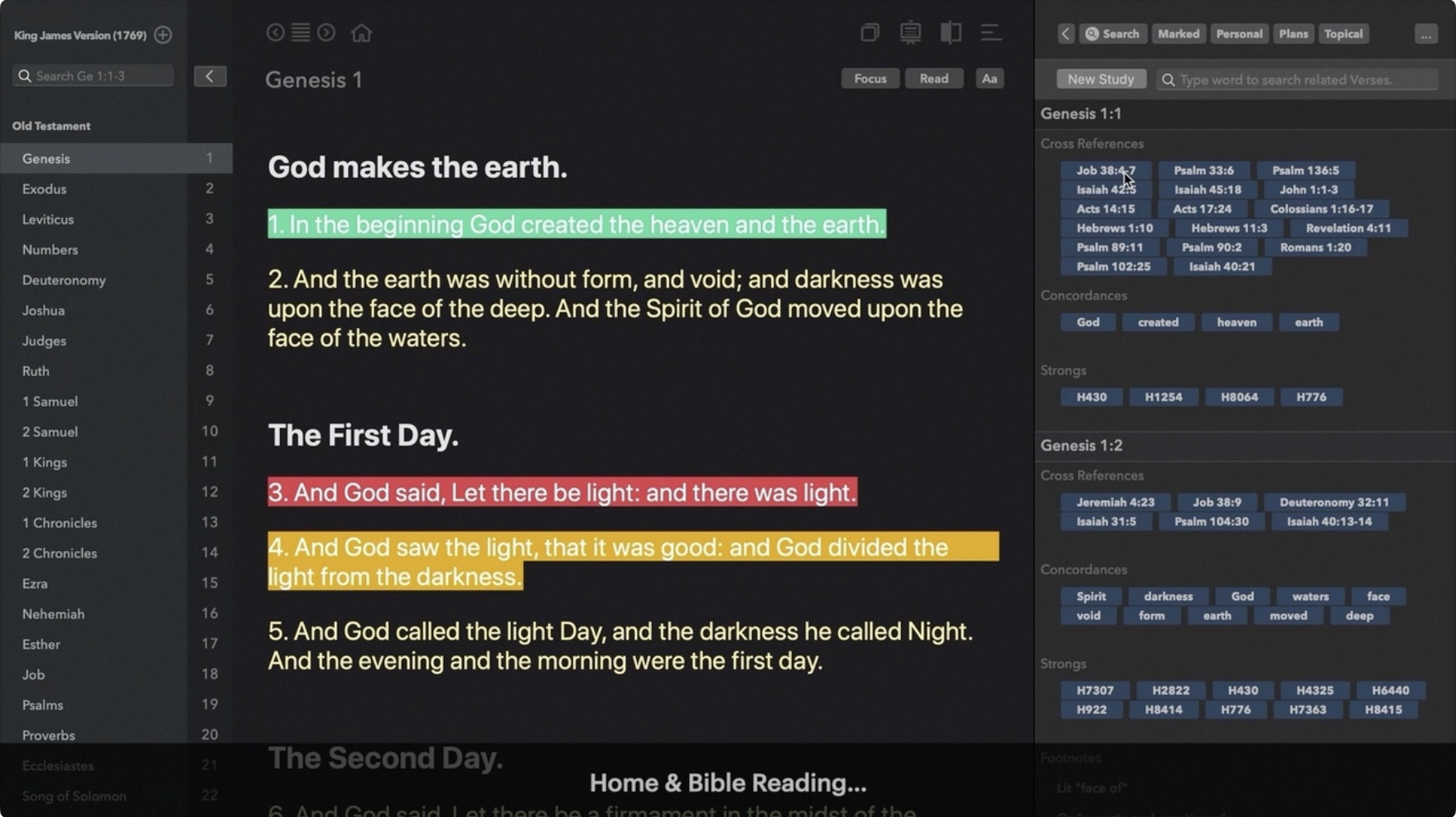
    • ‘Blue Letter Bible‘ (https://www.blueletterbible.org/): Blue Letter Bible is an online platform that offers a wealth of resources for in-depth Bible study, including commentaries, lexicons, and cross-references, all designed to help users understand the original biblical languages and contextualize biblical teachings.
    • ‘YouVersion‘ (https://www.youversion.com/): YouVersion is a Bible app that provides access to hundreds of Bible translations and versions, as well as reading plans, devotionals, and community features to help users engage with scripture in meaningful ways.
    • ‘Logos Bible Software‘ (https://www.logos.com/): Logos Bible Software is a comprehensive digital library of biblical resources, including commentaries, study Bibles, and original language tools, designed to support deep Bible study and theological reflection.

    Without doubt, technology can be a powerful tool for strengthening your connection with God and nurturing your spiritual life. Whether through prayer and meditation apps, online religious communities and support, podcasts and video content, virtual worship services, or Bible study tools and resources, there are countless ways to use technology to deepen your faith and engage with your religious beliefs in meaningful ways. As with any technology, it is essential to approach these resources with discernment, seeking out those that align with your personal beliefs and values and using them in a way that supports your overall spiritual growth and well-being.