Category: Faith and Technology

  • Increasing Personal Vibration as a Christian – How and Why

    Increasing Personal Vibration as a Christian – How and Why

    As Christians, our faith calls us to seek a deeper connection with God and align our lives with His divine will. One approach gaining popularity among believers is the concept of increasing personal vibration or frequency. While this practice has been associated with New Age spirituality in the past, it can be a valuable way to strengthen one’s spiritual life and closeness to God within the framework of Christianity. In this comprehensive blog post, we will explore how Christians can raise their vibrational frequency as a means to deepen their spiritual journey, align with God’s plans, and experience a more profound sense of peace and joy.

    Understanding Vibration from a Christian Perspective

    Before delving into the practical aspects, let’s establish a Christian understanding of vibration. In Christianity, vibration can be viewed as the spiritual energy or frequency that emanates from our inner being. It represents the alignment of our thoughts, emotions, and actions with the divine principles of love, truth, and righteousness. As Christians, we are called to raise our vibrational frequency, aligning ourselves more closely with the nature of God.

    This is just a fresh approach to practices of increasing and raising up one’s spiritual energy, as advocated by David in Psalm 51:10 – “Create in me a pure heart, O God, and renew a steadfast spirit within me.” The prophet Isaiah writes in Isaiah 40:31 – “But those who hope in the Lord will renew their strength. They will soar on wings like eagles; they will run and not grow weary, they will walk and not be faint.” In Romans 12:2,, Paul writes, “Do not conform to the pattern of this world, but be transformed by the renewing of your mind. Then you will be able to test and approve what God’s will is—his good, pleasing and perfect will.” So just like digital media can be used to serve the Lord, so too can increasing vibration enhance one’s spiritual energy in the right context. The following section explains how and why you can increase your vibration as a Christian.

    Increasing Your Vibration: How and Why?

    1. Seek a Deeper Relationship with God: Increasing your personal vibration as a Christian begins with nurturing a deeper relationship with God. Dedicate time each day to prayer, Bible study, and meditation, allowing God’s presence to fill your heart. This intentional connection raises your vibrational frequency by inviting more of God’s presence into your life.
    2. Embrace Love and Compassion: Central to the teachings of Jesus is the commandment to love God and love others. By embracing love and compassion, we raise our vibrational frequency and reflect the nature of God in our lives. Show kindness, forgiveness, and empathy towards others, allowing the love of Christ to flow through you.
    3. Cultivate a Positive Mindset: As Christians, we are called to focus our minds on whatever is true, noble, right, pure, lovely, and admirable (Philippians 4:8). By cultivating a positive mindset and choosing thoughts that align with God’s truth, we elevate our vibrational frequency. Replace negative thoughts with affirmations of faith, gratitude, and God’s promises.
    4. Practice Forgiveness and Letting Go: Unforgiveness and holding onto past hurts weigh us down and lower our vibrational frequency. As Christians, we are called to forgive as we have been forgiven. Release resentment, bitterness, and grudges, allowing God’s love and grace to flow through you. Choose to let go, trusting that God’s justice and healing will prevail.
    5. Live with Authenticity and Integrity: Live authentically, aligning your actions with your beliefs. Strive for integrity and be a reflection of Christ’s teachings in all areas of your life. By aligning your thoughts, words, and actions, you raise your vibrational frequency and become a vessel for God’s light to shine through.
    6. Engage in Worship and Praise: Worship and praise are powerful ways to raise your vibrational frequency as a Christian. Sing hymns, psalms, and spiritual songs, offering heartfelt worship to God. Engage in group worship with fellow believers, allowing the collective energy of praise to elevate your spiritual vibration.
    7. Practice Gratitude: Develop a habit of gratitude, recognizing God’s blessings and expressing thankfulness for His faithfulness in your life. Gratitude raises your vibrational frequency by shifting your focus from lack to abundance and cultivating a heart of contentment and joy.
    8. Serve Others with Love: Follow Christ’s example by serving others with love and humility. Engage in acts of kindness and compassion, considering the needs of others above your own. Serving others raises your vibrational frequency by aligning your actions with the selfless love of Christ and allowing His light to shine through you.
    9. Cultivate Mindfulness and Presence: Incorporate mindfulness and presence into your daily life. Be fully present in the moment, aware of God’s presence and guidance. Practice mindful breathing, allowing yourself to be grounded in the present and open to the divine.
    10. Seek God’s Guidance: Invite God’s guidance into every aspect of your life. Seek His wisdom and direction through prayer, meditation, and studying His Word. Trust in His guidance and surrender to His will, raising your vibrational frequency through alignment with His divine plan.
    11. Engage in Spiritual Disciplines: Incorporate spiritual disciplines into your daily routine. Practice fasting, silence, and solitude to create space for deeper spiritual connection. Engaging in these disciplines opens yourself to God’s transformative work and raises your vibrational frequency.
    12. Practice Self-Reflection and Examination: Regularly engage in self-reflection and examination of your thoughts, emotions, and actions. Invite the Holy Spirit to reveal areas in need of growth and transformation. Through self-reflection, you can align yourself with God’s truth and raise your vibrational frequency. Daily journaling can be an effective way to practice self-reflection.
    13. Embrace the Power of Prayer: Make prayer a central part of your life. Communicate with God regularly, expressing your joys, concerns, and desires. Pray with faith, believing that God hears and answers your prayers. The act of prayer raises your vibrational frequency as you connect with the source of all power and wisdom.
    14. Deepen Your Understanding of Scripture: Dive deeper into the Word of God, seeking a greater understanding of His truth and wisdom. Engage in Bible study, join small groups, and listen to teachings that illuminate the Scriptures. Growing in your knowledge of God’s Word raises your vibrational frequency and aligns you with His divine revelation.
    15. Engage in Acts of Worship and Devotion: Participate in acts of worship and devotion that resonate with your spiritual journey. Attend church services, engage in liturgical practices, or explore forms of worship that uplift your soul. These acts of devotion raise your vibrational frequency by connecting you with the body of Christ and expressing your love for God.
    16. Surrender and Trust: Practice surrendering your desires, plans, and worries to God. Trust in His perfect timing and sovereignty over your life. Surrendering and trusting God’s plan raises your vibrational frequency by releasing anxiety and allowing His peace to fill your heart.
    17. Surround Yourself with Like-minded Believers: Surround yourself with fellow Christians who share your desire to grow spiritually. Engage in Christian community, attend Bible studies, and join prayer groups. Being in the company of like-minded believers raises your vibrational frequency through collective worship, support, and encouragement.
    18. Practice Discernment: Develop a discerning spirit by aligning your thoughts, words, and actions with God’s truth. Discernment helps you avoid negative influences and align yourself with God’s principles. Engaging in discernment raises your vibrational frequency by keeping your focus on what is pure and righteous.
    19. Embrace Grace and Humility: Recognize your need for God’s grace and embrace humility in your spiritual journey. Understand that it is by God’s grace that you can grow and increase your vibrational frequency. Embracing grace and humility allows you to surrender ego-driven desires and open yourself to divine transformation.
    20. Seek the Holy Spirit’s Guidance: Invite the Holy Spirit to guide and empower you. Rely on the Holy Spirit’s wisdom, guidance, and spiritual gifts as you seek to raise your vibrational frequency. The Holy Spirit’s presence and work in your life elevate your spiritual experience and align you with God’s purposes.

    Increasing Your Vibration Enhances Your Connection with God

    Increasing your personal vibration as a Christian is a holistic journey of deep spiritual growth and alignment with God’s will. By seeking a deeper relationship with God, embracing love and compassion, cultivating a positive mindset, practicing forgiveness, living with authenticity and integrity, engaging in worship and praise, practicing gratitude, serving others with love, and incorporating spiritual disciplines, you can raise your vibrational frequency and experience a profound connection with God.

    Remember that increasing your personal vibration as a Christian is not about adopting New Age practices or beliefs but about aligning your life with the teachings of Christ and the principles of Christianity. As you intentionally align your thoughts, emotions, and actions with God’s truth, you will find yourself drawn closer to Him, living in greater harmony with His divine will, and radiating His love and light to the world around you. Embrace the journey of increasing your personal vibration as a Christian, and allow God’s transformative power to lead you into a deeper, more vibrant spiritual life. May your pursuit of higher vibrational frequency deepen your faith, strengthen your relationship with God, and bring you closer to the abundant life He desires for you.


  • The Future of God’s Presence in the Digital World

    The Future of God’s Presence in the Digital World

    As we stand at the threshold of the future, we find ourselves surrounded by a rapidly evolving digital landscape. The digital world has become an integral part of our lives, reshaping the way we communicate, connect, and experience the world around us. In this chapter, we will explore the exciting possibilities and potential that emerging technologies hold for faith-based contexts, envision new ways to connect with God through technology, and reflect on the role of technology in shaping the future of religious landscapes.

    Emerging Technologies and Their Potential in Faith-Based Contexts

    1. Virtual Reality (VR) and Augmented Reality (AR): VR and AR technologies have the potential to create immersive and transformative experiences within faith-based contexts. Imagine being able to virtually walk through ancient biblical sites, participate in virtual pilgrimages, or even attend virtual worship services with believers from around the world.
    2. Artificial Intelligence (AI): AI has already begun to impact faith-based contexts through AI-powered spiritual coaching, personalized prayer apps, and chatbots that provide guidance based on religious texts. As AI continues to advance, it may offer more sophisticated and tailored spiritual support, helping individuals navigate their faith journeys with greater insight and understanding.
    3. Internet of Things (IoT): The IoT connects physical devices and objects to the internet, enabling them to interact and share data. In a faith-based context, IoT could enhance worship experiences by integrating smart devices, such as lighting, sound systems, and environmental controls, to create immersive and meaningful worship environments.

    Imagining New Ways to Connect with God through Technology

    1. Virtual Reality Worship Experiences: Imagine being able to put on a VR headset and step into a virtual sanctuary, where you can join in worship, engage in communal prayer, and listen to sermons from faith leaders around the world. Virtual reality could transport us beyond the limitations of physical distance, allowing us to worship together in a virtual space.
    2. Haptic Technology for Worship: Haptic technology provides tactile feedback and sensations. In a future scenario, individuals could wear haptic-enabled wearables during worship, allowing them to feel the vibrations of music, experience the touch of a virtual hand during prayer, or sense the presence of God through haptic feedback.
    3. Personalized Spiritual Journeys: With the power of AI and machine learning, technology could offer personalized spiritual journeys tailored to individual needs and preferences. Imagine a virtual spiritual guide that understands your unique spiritual journey, provides guidance, offers relevant scripture passages, and connects you with like-minded believers on similar paths.

    The Role of Technology in Shaping Future Religious Landscapes

    1. Global Connectivity and Interfaith Dialogue: Technology has the potential to break down barriers of geography and language, connecting people of different faith traditions and fostering interfaith dialogue. Online platforms and social media can facilitate conversations, promote understanding, and build bridges between diverse religious communities.
    2. Accessible Faith Education and Resources: Technology can make faith education and resources more accessible to people around the world. Online courses, digital libraries of religious texts, and interactive study materials can provide individuals with the opportunity to deepen their knowledge and understanding of their faith traditions.
    3. Digital Spiritual Communities: As technology continues to evolve, it may enable the development of digital spiritual communities that transcend physical boundaries. These communities could offer virtual fellowship, support, and shared worship experiences, fostering a sense of belonging and connection for those who may not have access to local faith communities.

    In contemplating the future of God’s presence in the digital world, we must approach these possibilities with discernment, humility, and a deep reverence for our faith. Technology is not a replacement for the intimate relationship we have with God, but rather a tool that can amplify our experiences and foster connections. As we navigate the future, we must remain rooted in the foundational teachings of our faith, ensuring that technology is used in ways that align with our values and promote spiritual growth, community building, and the pursuit of justice and love.

    In this exciting era of technological advancement, let us seek God’s guidance and wisdom as we embrace the potential of emerging technologies. Let us envision new ways to connect with God, while remaining steadfast in our commitment to the timeless truths and teachings of our faith. May the future be one where technology serves as a conduit for experiencing the divine, fostering unity, and empowering believers to be a light in the digital world.

    May God’s presence continue to guide us on this journey of faith, both in the physical and digital realms.


    Top Image by Gerd Altmann from Pixabay 

  • Technology for Social Impact and Faith-based Activism

    Technology for Social Impact and Faith-based Activism

    Technology has provided new opportunities for faith-based organizations to engage in social impact and activism, mobilize online communities for social causes, and promote digital philanthropy and spiritual principles. In this chapter, we will explore the ways in which technology is being used for social impact and faith-based activism, including specific examples and URLs.

    Faith-Based Organizations Using Technology for Good

    Faith-based organizations have a long history of engaging in social impact and activism, and technology has provided new opportunities to amplify their efforts. Here are some examples:

    • ‘Catholic Relief Services’ (https://www.crs.org/): Catholic Relief Services is a faith-based organization that provides international aid and development assistance to those in need. The organization uses technology to promote their work, share stories of those they serve, and engage with supporters through social media, email campaigns, and mobile apps.
    • ‘World Vision’ (https://www.worldvision.org/): World Vision is a Christian humanitarian organization that focuses on providing aid and support to vulnerable children and families around the world. The organization uses technology to facilitate online giving, promote their work through social media, and provide updates on their efforts through email campaigns and mobile apps.

    Mobilizing Online Communities for Social Causes

    Social media has provided new opportunities for faith-based organizations to mobilize online communities for social causes, promoting advocacy and activism in real-time. Here are some examples:

    • ‘#PrayForParis’ (https://www.cnn.com/2015/11/13/world/paris-shooting-social-media-reaction/index.html): In 2015, following the terrorist attacks in Paris, social media was flooded with the hashtag ‘#PrayForParis’. The hashtag quickly went viral, and faith-based organizations used social media to promote prayer and support for those affected by the attacks.
    • ‘#BlackLivesMatter’ (https://blacklivesmatter.com/): Black Lives Matter is a social justice movement that seeks to address systemic racism and violence against Black people. The movement has used social media to mobilize communities, raise awareness about their cause, and promote activism and advocacy.

    Digital Philanthropy and Spiritual Principles

    Digital philanthropy has provided new ways for individuals and organizations to give back and support social impact and activism efforts. Here are some examples:

    • ‘Charity: Water’ (https://www.charitywater.org/): Charity: Water is a non-profit organization that provides access to clean water in developing countries. The organization uses technology to facilitate online giving, and provides updates on their efforts through social media and email campaigns.
    • ‘ActBlue’ (https://secure.actblue.com/): ActBlue is a digital fundraising platform that allows individuals to donate to a wide range of progressive causes and organizations. The platform has been used by faith-based organizations to support social impact and activism efforts, promoting digital philanthropy and spiritual principles of giving.

    In many ways, technology has provided new opportunities for faith-based organizations to engage in social impact and activism, mobilize online communities for social causes, and promote digital philanthropy and spiritual principles. From using social media to promote advocacy and activism to facilitating online giving and support for vulnerable communities, technology is playing an important role in the intersection of faith and social impact.


    Top  photo courtesy of CharityWater.org 

  • Maintaining a Balance between Technology and Spirituality

    Maintaining a Balance between Technology and Spirituality

    In the digital age, technology has become an integral part of our daily lives. While technology can provide new opportunities for spiritual growth and engagement, it is essential to maintain a balance between our use of technology and our spiritual practices. In this chapter, we will explore strategies for avoiding digital dependency in religious practices, finding balance with tech-free spiritual practices, and nurturing offline relationships and communities.

    Avoiding Digital Dependency in Religious Practices

    As technology continues to evolve, it can be easy to become overly reliant on digital resources for our spiritual growth and engagement. Here are some strategies for avoiding digital dependency in religious practices:

    1. Set Boundaries: Set boundaries for your use of technology in your spiritual practices, such as limiting screen time or avoiding technology during certain parts of the day.
    2. Prioritize In-Person Connection: Make an effort to connect with others in person, whether through attending worship services, joining a local faith-based community, or participating in religious retreats.
    3. Take a Break: Take a break from technology periodically to engage in activities that promote relaxation and reflection, such as spending time in nature, journaling, or engaging in creative pursuits.

    Finding Balance with Tech-Free Spiritual Practices

    While technology can provide new opportunities for spiritual growth and engagement, it is important to find balance with tech-free spiritual practices. Here are some strategies for finding balance with tech-free spiritual practices:

    1. Engage in Mindful Activities: Engage in activities that promote mindfulness and present-moment awareness, such as meditation, prayer, or yoga.
    2. Connect with Nature: Spend time in nature to promote spiritual connection and reflection. Whether hiking in the mountains or walking along the beach, nature can provide a space for quiet reflection and contemplation.
    3. Read Physical Books: Read physical books and engage in traditional Bible study methods, such as taking notes or underlining key passages. This can help promote deeper engagement and reflection on spiritual texts.

    Nurturing Offline Relationships and Communities

    In addition to finding balance with tech-free spiritual practices, it is important to nurture offline relationships and communities. Here are some strategies for nurturing offline relationships and communities:

    1. Attend In-Person Events: Attend in-person events, such as worship services, religious retreats, or community gatherings, to connect with others in your faith community.
    2. Volunteer: Volunteer with faith-based organizations to serve others and connect with like-minded individuals who share your values.
    3. Practice Compassion: Practice compassion and kindness in your daily interactions with others, whether at work, at school, or in your personal life. This can help foster deeper connections and a sense of community with those around you.

    Maintaining a balance between technology and spirituality is essential for nurturing our spiritual growth and well-being. By avoiding digital dependency in our religious practices, finding balance with tech-free spiritual practices, and nurturing offline relationships and communities, we can promote a sense of connection and engagement with our spiritual lives.


    Photo by Roman Odintsov, Pexels.com

  • Artificial Intelligence and Spirituality – Impacts Continue to Expand

    Artificial Intelligence and Spirituality – Impacts Continue to Expand

    Artificial Intelligence (AI) has had powerful impact across a wide number of applications and fields, and its impact on religion and spirituality is becoming increasingly significant. With its potential to enhance personal spiritual journeys and offer unique ways to connect with the divine, AI is being harnessed for spiritual coaching, access to religious texts, and personalized faith experiences. Yet, as with any cutting-edge technology, it’s crucial to address the ethical implications of AI’s role in spiritual practices.

    AI’s Role in Religion and Spirituality

    AI’s capabilities are being leveraged to enrich religious experiences and provide innovative ways for people to engage with their faith. Here are some notable examples:

    1. MeditateBot
      • MeditateBot is an AI-powered meditation coach. Using machine learning algorithms, it creates personalized meditation sessions based on user input. As users interact with the app, it adapts to their preferences, offering customized support for spiritual growth and mindfulness.
    2. BibleReader
      • BibleReader utilizes natural language processing to understand user queries and provide relevant Bible passages and resources. This AI-powered app also offers study plans and devotionals tailored to the user’s habits and preferences, making Bible study more accessible and personalized.
    3. HajjBot
      • HajjBot is an AI-driven virtual assistant designed to support pilgrims during Hajj, the annual Islamic pilgrimage to Mecca. The app provides personalized recommendations for rituals and activities based on the user’s location and the time of day, along with answers to frequently asked questions about the pilgrimage.

    AI-Driven Spiritual Coaching and Guidance

    AI’s ability to offer personalized guidance is not limited to practical aspects of religious practices. It also extends to providing emotional and spiritual support, helping individuals deepen their connection with the divine.

    1. Replika
      • Replika is an AI chatbot that engages in personalized conversations to support mental health and wellbeing. Many users have turned to Replika for existential and spiritual conversations, finding in it a non-judgmental space to explore their beliefs and seek spiritual growth.
    2. Soultime
      • Soultime is an AI-powered app focused on spiritual coaching. It uses machine learning to provide customized recommendations for meditation, prayer, and other spiritual practices. Users can also receive coaching and support from spiritual mentors through the app, helping them navigate their spiritual journeys.

    Ethical Considerations for AI in Spirituality

    The integration of AI into spiritual contexts brings about several ethical considerations that must be addressed to ensure its responsible use.

    1. Transparency
      • Developers need to be transparent about how AI is used in spiritual contexts. This includes clarifying the capabilities and limitations of AI-driven spiritual coaching and guidance, as well as any potential risks.
    2. Accountability
      • Organizations and developers must be accountable for the accuracy and ethical implications of their AI systems. This means ensuring that the algorithms and data used are ethically sourced and accurately represent spiritual teachings.
    3. Privacy and Security
      • Protecting user data is paramount. Developers must ensure robust security measures are in place and inform users about how their data is collected, used, and protected. This is especially important in spiritual contexts, where personal reflections and confessions may be shared.

    The Future of AI and Spirituality

    The future of AI in spirituality holds exciting possibilities. As technology evolves, AI could offer even more personalized and immersive spiritual experiences. However, it’s essential to approach this intersection with caution and ethical mindfulness.

    1. Enhanced Personalization
      • Future AI applications could offer even more finely-tuned spiritual guidance, taking into account a broader range of user inputs and adapting in real-time to their spiritual needs and preferences.
    2. Virtual Spiritual Communities
      • AI could facilitate the creation of virtual spiritual communities, where individuals from around the world can gather to share their faith experiences, participate in virtual rituals, and support each other’s spiritual growth.
    3. Integration with Traditional Practices
      • As AI becomes more integrated with traditional religious practices, it could enhance these practices by providing additional resources and support. For instance, AI could assist in the preparation and delivery of sermons, or offer insights into ancient religious texts through advanced analysis.
    4. Interfaith Dialogue
      • AI could play a role in fostering interfaith dialogue by providing a platform for individuals from different faiths to share their beliefs and learn from each other. AI’s ability to process and translate languages and cultural nuances could make it easier to bridge gaps between diverse religious communities.

    Balancing Innovation with Ethical Responsibility

    While AI’s potential to transform spiritual practices is immense, it’s crucial to balance innovation with ethical responsibility. This involves not only addressing the ethical considerations outlined above but also ensuring that AI complements rather than replaces human spiritual leaders and mentors.

    1. Maintaining Human Connection
      • While AI can provide valuable support and guidance, it should not replace the human connection that is central to many spiritual practices. Spiritual leaders and mentors offer a level of empathy, understanding, and personal connection that AI cannot replicate.
    2. Respecting Traditions
      • It’s important to respect and preserve traditional spiritual practices while integrating AI. This means using AI to enhance these practices rather than fundamentally changing them. For example, AI can assist in organizing and managing community events, but the core rituals and teachings should remain rooted in tradition.
    3. Continuous Ethical Evaluation
      • As AI technology evolves, continuous ethical evaluation is necessary. This means regularly reviewing and updating ethical guidelines to ensure they keep pace with technological advancements. It also involves engaging with a diverse range of stakeholders, including religious leaders, ethicists, and AI developers, to ensure that a broad range of perspectives is considered.

    A Unique Opportunity to Enhance Spiritual Practice

    The intersection of artificial intelligence and spirituality presents a unique opportunity to enhance spiritual practices and support individuals on their spiritual journeys. From personalized meditation apps to AI-driven spiritual coaching, the potential applications of AI in this field are vast. However, it’s essential to approach this intersection with caution, ensuring that ethical considerations are at the forefront of any AI development in spiritual contexts.

    By balancing innovation with ethical responsibility, we can harness the power of AI to offer new opportunities for spiritual growth and engagement while respecting the traditions and values that are central to our faith. As we move forward, it will be important for faith-based organizations, developers, and individuals to stay vigilant and intentional in their use of AI, ensuring that it serves to enhance, rather than detract from, our spiritual lives.

  • Using Social Media to Share the Word of  God

    Using Social Media to Share the Word of God

    Social media has become an integral part of our daily lives, and it has transformed the way we communicate, connect, and share information. For people of faith, social media has also become a powerful tool for spiritual growth, building community, and sharing the message of the Gospel with the world.

    Leveraging Social Media for Spiritual Growth

    Social media platforms can provide a space for individuals to engage with spiritual content, learn from others, and grow in their faith.

    • Instagram: Instagram has become a popular platform for sharing daily devotionals, inspirational quotes, and images that reflect biblical teachings. Profiles like ‘Proverbs 31 Ministries’ (https://www.instagram.com/proverbs31ministries/) and ‘She Reads Truth’ (https://www.instagram.com/shereadstruth/) provide daily inspiration and encouragement for individuals seeking to deepen their spiritual lives.
    • Twitter: Twitter is a platform for sharing brief messages that can inspire, challenge, or inform. Religious leaders and organizations use Twitter to share scripture verses, offer prayer requests, and engage in conversations about faith and spirituality. ‘Pope Francis’ (https://twitter.com/Pontifex) and ‘Beth Moore’ (https://twitter.com/BethMooreLPM) are examples of religious leaders who use Twitter to connect with their followers and share their insights on faith matters.

    Building Faith-Based Online Communities

    Social media has also made it possible to build and connect with faith-based online communities, where individuals can share their experiences, struggles, and insights.

    • Facebook Groups: Facebook groups allow users to create and join online communities centered around specific interests, including faith and spirituality. Groups like ‘Women of Faith’ (https://www.facebook.com/groups/womenoffaithcommunity/) and ‘The Christian Post’ (https://www.facebook.com/ChristianPost) offer opportunities for individuals to connect with others who share their beliefs and values.
    • Discord Servers: Discord is a messaging platform that allows users to create private or public servers, which function as virtual communities where users can chat, share content, and connect with others who share their interests. ‘Christian Gamers’ (https://discord.com/invite/0pGzkDr9E1xvKIb9) and ‘Christians United’ (https://discord.com/invite/8PUr3q5) are examples of faith-based servers that provide spaces for individuals to connect and engage with others online.
    • Faitheos: This site you are on, Faitheos.com, is in the process of evolving as a faith-based online community. We invite you to register here and become a participant – it’s free and you are in control of your content.

    Evangelism and Spreading the Gospel in the Digital World

    Social media has become a powerful tool for evangelism, allowing individuals and organizations to share the message of the Gospel with the world.

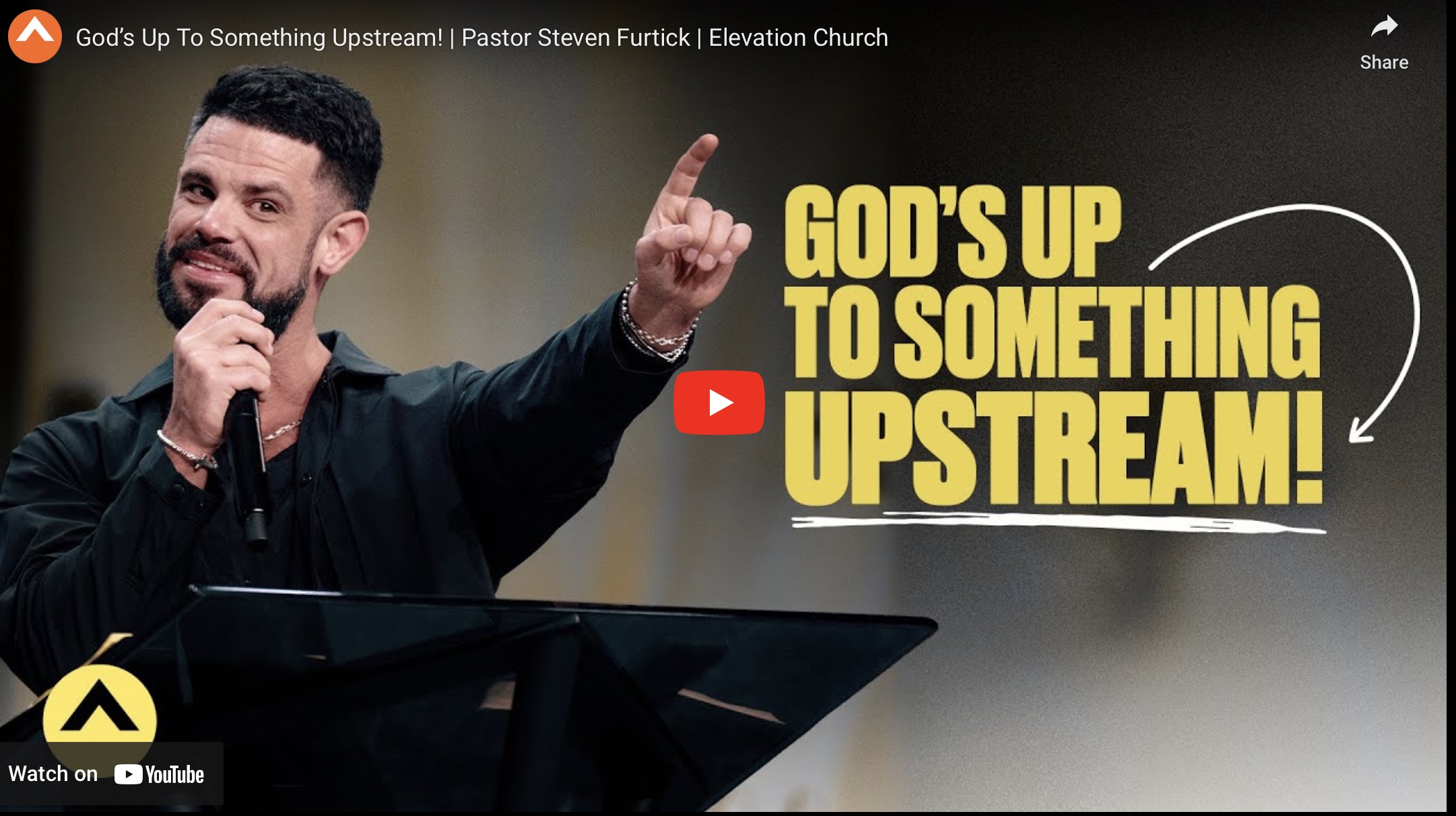
    • YouTube: YouTube is a popular platform for sharing video content, and it has become a go-to source for people seeking information on faith and spirituality. Religious leaders and organizations use YouTube to share sermons, teachings, and other content that promotes their beliefs and values. ‘Elevation Worship’ (https://www.youtube.com/user/elevationworship) and ‘The Bible Project’ (https://www.youtube.com/c/TheBibleProject/featured) are examples of channels that use YouTube to promote the Gospel and engage with viewers.
    • TikTok: TikTok is a popular social media platform among young people, and it has become a space for sharing creative and engaging content related to faith and spirituality. ‘Auntie.American’ (https://www.tiktok.com/@auntie.american) and ‘Leyah Shanks’ (https://www.tiktok.com/@iamleyahshanks) are examples of TikTok creators who use the platform to share their faith and promote the message of the Gospel.

    Social media has become a powerful tool for people of faith, providing opportunities for spiritual growth, community building, and evangelism. From leveraging social media platforms for spiritual inspiration and growth to building online communities that provide support and connection, and sharing the message of the Gospel through video content and creative social media strategies, social media offers numerous ways to engage with faith in the digital age.

    However, it is important to use social media in a responsible and ethical way that aligns with our personal beliefs and values. We must be mindful of the potential for misinformation, online harassment, and the spread of hate speech, and strive to use social media as a force for good in the world. With discernment and intentionality, social media can be a powerful tool for building community, nurturing faith, and sharing the message of hope and love with the world.


    Top image by Gerd Altmann from Pixabay
  • Strengthening Your Connection with God through Technology

    Strengthening Your Connection with God through Technology

    In the digital age, there are numerous ways to strengthen your connection with God and enrich your spiritual life using technology. From prayer and meditation apps to virtual worship services and Bible study tools, digital resources can help you deepen your faith and engage with your religious beliefs in new and meaningful ways.

    Prayer and Meditation Apps

    Prayer and meditation apps provide a convenient and accessible means of engaging with spiritual practices and nurturing your connection with the divine.

    • ‘Abide‘ (https://abide.co/): Abide is a Christian meditation app that offers guided audio meditations, bedtime stories, and Bible-based reflections to help users find peace, sleep better, and grow in their faith.
    • ‘Pray.com‘ (https://www.pray.com/): Pray.com is an app designed to help users build a daily prayer habit, offering pre-written prayers, audio prayers, and the ability to create personalized prayers for various needs and situations.
    • ‘Insight Timer‘ (https://insighttimer.com/): Insight Timer is a meditation app that features thousands of guided meditations, including those specifically tailored for spiritual growth and contemplative prayer from various faith traditions.

    Online Religious Communities and Support

    The internet has made it possible for individuals from diverse religious backgrounds to connect and engage with one another, fostering a sense of belonging and support within online faith communities.

    • ‘Church Online Platform‘ (https://churchonlineplatform.com/): Church Online Platform is a free tool that allows churches to create and manage their own online worship experiences, providing a virtual space for individuals to gather for worship, prayer, and fellowship.
    • ‘OurPrayer‘ (https://www.ourprayer.org/): OurPrayer is an online community where individuals can submit prayer requests, pray for others, and receive encouragement and support from fellow believers.

    Podcasts and Video Content for Spiritual Growth

    Digital media, such as podcasts and video content, offer a wealth of resources for individuals seeking to deepen their understanding of their faith traditions and enhance their spiritual growth.

    • ‘The Bible Project‘ (https://bibleproject.com/): The Bible Project is a non-profit organization that creates animated videos, podcasts, and study guides to help users understand the Bible and its overarching themes.
    • ‘The Liturgists Podcast‘ (https://theliturgists.com/podcast): The Liturgists Podcast is a popular faith-based podcast that explores the intersection of faith, science, art, and culture, fostering inclusive and thought-provoking conversations on spirituality and religion.

    Virtual Worship and Religious Services

    Virtual worship services and religious gatherings have made it possible for individuals to participate in communal worship and spiritual practices from the comfort of their own homes.

    • ‘Life.Church Online‘ (https://www.life.church/online/): Life.Church Online is a virtual church that offers live worship services, interactive chat features, and opportunities for users to connect with others and join online small groups.
    • ‘Zoom‘ (https://zoom.us/): Zoom is a video conferencing platform that is often used by religious communities to host virtual gatherings, Bible studies, and prayer meetings, allowing individuals to connect and engage with their faith communities despite physical distance.

    Bible Study Tools and Resources

    Digital tools and resources have revolutionized the way individuals engage with religious texts and teachings, making it easier than ever to study, interpret, and apply scripture to our daily lives.

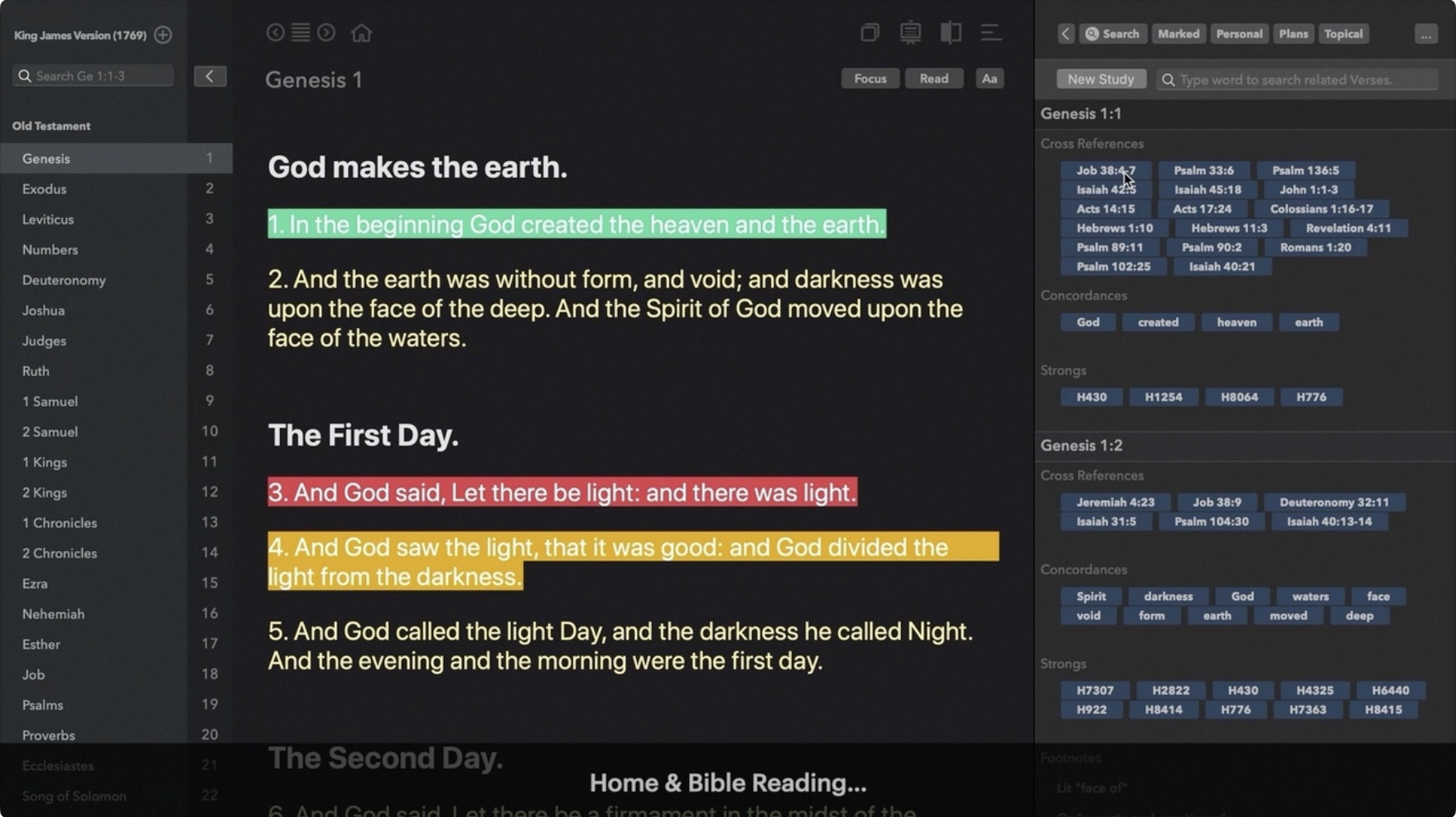
    • ‘Blue Letter Bible‘ (https://www.blueletterbible.org/): Blue Letter Bible is an online platform that offers a wealth of resources for in-depth Bible study, including commentaries, lexicons, and cross-references, all designed to help users understand the original biblical languages and contextualize biblical teachings.
    • ‘YouVersion‘ (https://www.youversion.com/): YouVersion is a Bible app that provides access to hundreds of Bible translations and versions, as well as reading plans, devotionals, and community features to help users engage with scripture in meaningful ways.
    • ‘Logos Bible Software‘ (https://www.logos.com/): Logos Bible Software is a comprehensive digital library of biblical resources, including commentaries, study Bibles, and original language tools, designed to support deep Bible study and theological reflection.

    Without doubt, technology can be a powerful tool for strengthening your connection with God and nurturing your spiritual life. Whether through prayer and meditation apps, online religious communities and support, podcasts and video content, virtual worship services, or Bible study tools and resources, there are countless ways to use technology to deepen your faith and engage with your religious beliefs in meaningful ways. As with any technology, it is essential to approach these resources with discernment, seeking out those that align with your personal beliefs and values and using them in a way that supports your overall spiritual growth and well-being.

  • Integrating Technology with Religious Beliefs

    Integrating Technology with Religious Beliefs

    Modern Perspectives on Faith and Spirituality

    In the digital age, our understanding of faith and spirituality has evolved, as individuals and communities around the world have found new ways to explore and express their beliefs. The internet and social media have given rise to an unprecedented diversity of voices and perspectives on religious matters, enabling more inclusive and engaging conversations about faith.

    • Interfaith dialogue and understanding: The digital world has facilitated a greater exchange of ideas and perspectives among individuals from different religious backgrounds. Online platforms such as ‘Interfaith Voices’ (https://www.interfaithradio.org/) and ‘Patheos’ (https://www.patheos.com/) provide spaces for individuals to engage in interfaith dialogue, fostering understanding and respect among diverse faith communities.
    • Spiritual but not religious: The digital age has also given rise to a growing number of individuals who identify as “spiritual but not religious” (SBNR), who seek meaning and connection outside of traditional religious institutions. Websites like ‘Spirituality & Practice’ (https://www.spiritualityandpractice.com/) and ‘The Chopra Center’ (https://chopra.com/) offer resources and guidance for those exploring alternative spiritual paths.

    Integrating Technology with Religious Beliefs

    The integration of technology with religious beliefs has become increasingly common, as individuals and communities seek to harness the power of digital tools and platforms to deepen their connection with the divine and enhance their spiritual lives.

    • Prayer and meditation apps: As previously mentioned, prayer and meditation apps such as ‘Calm’ (https://www.calm.com/), ‘Abide’ (https://abide.co/), and ‘Pray.com’ (https://www.pray.com/) have become popular tools for integrating technology with religious practices, helping individuals engage in daily spiritual disciplines.
    • Virtual religious spaces: The use of virtual and augmented reality technologies has led to the creation of immersive, interactive religious spaces, such as virtual worship services and sacred spaces. ‘VR Church’ (https://vrchurch.org/) and ‘AltspaceVR’ (https://altvr.com/) offer virtual reality platforms where individuals can attend religious services and gatherings, while apps like ‘Sacred VR’ (https://www.sacredvr.com/) allow users to explore sacred sites and spiritual landscapes in virtual reality.
    • Religious social media influencers: The rise of religious social media influencers has further demonstrated the integration of technology with religious beliefs. Influencers such as ‘Sadie Robertson’ (https://www.instagram.com/legitsadierob/) and ‘Jefferson Bethke’ (https://www.instagram.com/jeffersonbethke/) use platforms like Instagram and YouTube to share their faith journeys and inspire others, reaching millions of followers worldwide.

    Ethical Considerations in the Digital World

    As technology continues to reshape our spiritual landscape, it is essential to consider the ethical implications of integrating digital tools and platforms with our religious beliefs and practices.

    • Privacy and data security: The collection and use of personal data by digital platforms raise concerns about privacy and data security. Individuals must be mindful of the information they share online, and religious organizations should ensure they are protecting their members’ privacy by adhering to data protection regulations and best practices. ‘Electronic Frontier Foundation’ (https://www.eff.org/) is an organization that promotes digital privacy and security.
    • Digital addiction and mental health: Excessive use of digital technology can lead to addiction, mental health issues, and social isolation. It is essential to strike a balance between leveraging technology for spiritual growth and maintaining healthy digital habits. Resources like ‘Digital Detox’ (https://www.digitaldetox.com/) offer guidance on managing technology use and prioritizing mental well-being.
    • Misinformation and echo chambers: The digital world is prone to the spread of misinformation and the formation of echo chambers, where individuals are only exposed to views that reinforce their existing beliefs. This can create division and polarization within faith communities. To counteract this, individuals should seek out diverse perspectives and fact-check information before sharing it. Websites like ‘Snopes’ (https://www.snopes.com/) and ‘FactCheck.org’ (https://www.factcheck.org/) can help in verifying the authenticity of the information.
    • Online harassment and hate speech: The anonymity of the internet can sometimes lead to the spread of hate speech and harassment, targeting individuals based on their religious beliefs or affiliations. It is crucial for both individuals and faith communities to promote respectful dialogue and foster inclusive online environments. Organizations like ‘HeartMob’ (https://iheartmob.org/) offer support to those experiencing online harassment.
    • Ethical use of artificial intelligence (AI) in faith-based contexts: As AI continues to develop and become more integrated with our lives, it is vital to consider the ethical implications of using AI in faith-based contexts. This might include questions around the potential for bias in AI-driven spiritual coaching, the appropriate use of AI in religious decision-making, and the relationship between AI and human agency in spiritual growth. Initiatives like ‘AI and Faith’ (https://aiandfaith.org/) promote the responsible and ethical use of AI in religious and spiritual contexts.

    Understanding God in the digital age involves exploring modern perspectives on faith and spirituality, integrating technology with religious beliefs, and grappling with the ethical considerations that arise in the digital world. By engaging with these complexities and opportunities, we can navigate the intersection of faith and technology with discernment, curiosity, and an openness to new possibilities for spiritual growth and connection.

  • The Intersection of Faith and Technology Today

    The Intersection of Faith and Technology Today

    In today’s fast-paced and ever-evolving digital world, the intersection of faith and technology has become an increasingly important and relevant topic for people of all religious backgrounds. As technology continues to advance at an unprecedented rate, it is reshaping the ways in which we connect with one another, engage with the world around us, and experience our spiritual lives. The integration of digital tools and platforms into our daily routines has opened up new possibilities for deepening our connection with the divine and enhancing our understanding of our faith traditions.

    • The growth of the internet and social media: The internet and social media platforms have transformed the way we communicate and share information, creating new opportunities for engaging with religious texts, teachings, and communities. Websites such as ‘Bible Gateway’ (https://www.biblegateway.com/) and ‘Sefaria’ (https://www.sefaria.org/) provide free access to a vast array of religious texts, while platforms like ‘Facebook’ (https://www.facebook.com/) and ‘Twitter’ (https://twitter.com/) enable religious leaders and organizations to share their messages and teachings with a global audience.
    • Mobile and wearable devices: The proliferation of smartphones, tablets, and wearable devices has made it easier than ever to integrate spiritual practices and resources into our daily lives. Apps such as ‘Headspace’ (https://www.headspace.com/) and ‘Insight Timer’ (https://insighttimer.com/) offer guided meditations and mindfulness exercises, while ‘YouVersion Bible App’ (https://www.youversion.com/the-bible-app/) provides a portable and customizable tool for reading and studying scripture.
    • Virtual and augmented reality: Virtual reality (VR) and augmented reality (AR) technologies have the potential to create immersive, interactive experiences of faith and spirituality, such as virtual worship services, sacred spaces, and religious rituals. Examples include the ‘VR Church’ (https://vrchurch.org/) and the ‘Bible Lens’ app (https://www.youversion.com/bible-lens/), which utilizes AR to overlay Bible verses on users’ photos.

    The Role of Technology in Enhancing Spiritual Connection

    As technology continues to permeate every aspect of our lives, it is playing an increasingly prominent role in enhancing our spiritual connection and facilitating our engagement with religious beliefs and practices. From prayer and meditation apps to online religious communities and virtual worship services, digital tools and platforms offer a wealth of opportunities for deepening our understanding of our faith traditions and fostering a sense of God’s presence in our lives.

    • Prayer and meditation apps: Digital tools such as prayer and meditation apps provide a convenient and accessible means of engaging with spiritual practices and nurturing our connection with the divine. Examples of popular prayer and meditation apps include ‘Calm’ (https://www.calm.com/), ‘Abide’ (https://abide.co/), and ‘Pray.com’ (https://www.pray.com/).
    • Online religious communities and support: The internet has made it possible for individuals from diverse religious backgrounds to connect and engage with one another, fostering a sense of belonging and support within online faith communities. Platforms such as ‘Church Online Platform’ (https://churchonlineplatform.com/) and ‘OurPrayer’ (https://www.ourprayer.org/) provide spaces for individuals to gather virtually for worship, prayer, and fellowship.
    • Podcasts and video content for spiritual growth: Digital media, such as podcasts and video content, offer a wealth of resources for individuals seeking to deepen their understanding of their faith traditions and enhance their spiritual growth. Examples of popular faith-based podcasts and video channels include ‘The Bible Project’ (https://bibleproject.com/) and ‘The Minimalists’ (https://www.theminimalists.com/podcast/), which explore topics related to faith, spirituality, and personal growth.
    • Virtual worship and religious services: The rise of virtual worship services and religious gatherings has made it possible for individuals to participate in communal worship and spiritual practices from the comfort of their own homes. This has been particularly beneficial during the COVID-19 pandemic, when many in-person worship services were suspended or restricted. Examples of platforms that facilitate virtual worship include ‘Life.Church Online’ (https://www.life.church/online/) and ‘Zoom’ (https://zoom.us/), which is often used by religious communities to host virtual gatherings and events.
    • Bible study tools and resources: Digital tools and resources have revolutionized the way individuals engage with religious texts and teachings, making it easier than ever to study, interpret, and apply scripture to our daily lives. Websites such as ‘Blue Letter Bible’ (https://www.blueletterbible.org/) and ‘Logos Bible Software’ (https://www.logos.com/) offer a wealth of resources for in-depth Bible study, including commentaries, lexicons, and cross-references.

    Technology plays an increasingly vital role in enhancing our spiritual connection and facilitating our engagement with religious beliefs and practices. As we continue to navigate the intersection of faith and technology, it is essential to approach our digital engagement with intentionality, discernment, and a commitment to personal growth. By embracing the potential of technology to deepen our connection with God and others, we can foster a sense of joy, wonder, and gratitude for God’s presence in our lives and celebrate the transformative power of faith in the digital world.