Category: Faith and Spirituality

  • Maintaining a Balance between Technology and Spirituality

    Maintaining a Balance between Technology and Spirituality

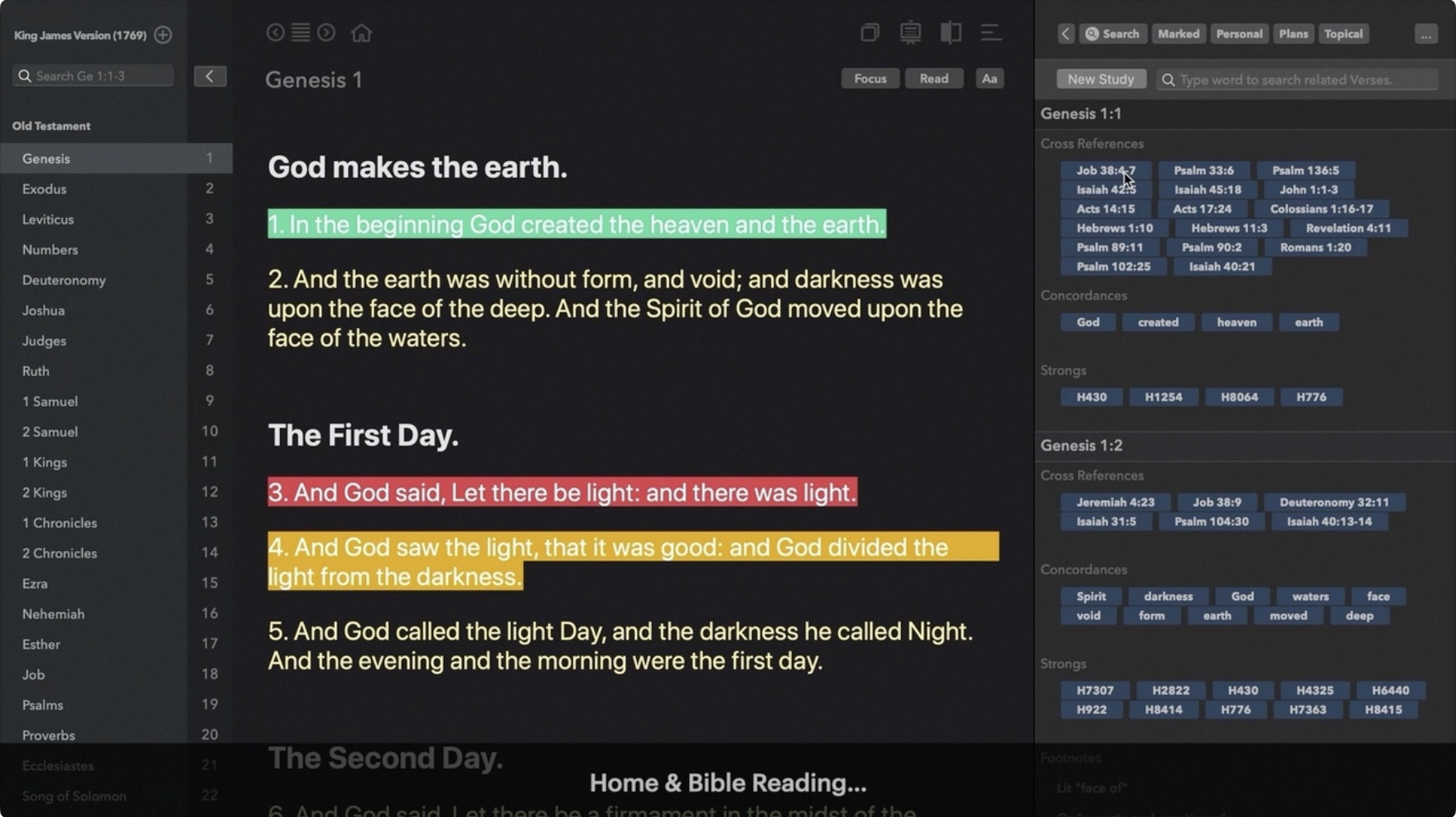
    In the digital age, technology has become an integral part of our daily lives. While technology can provide new opportunities for spiritual growth and engagement, it is essential to maintain a balance between our use of technology and our spiritual practices. In this chapter, we will explore strategies for avoiding digital dependency in religious practices, finding balance with tech-free spiritual practices, and nurturing offline relationships and communities.

    Avoiding Digital Dependency in Religious Practices

    As technology continues to evolve, it can be easy to become overly reliant on digital resources for our spiritual growth and engagement. Here are some strategies for avoiding digital dependency in religious practices:

    1. Set Boundaries: Set boundaries for your use of technology in your spiritual practices, such as limiting screen time or avoiding technology during certain parts of the day.
    2. Prioritize In-Person Connection: Make an effort to connect with others in person, whether through attending worship services, joining a local faith-based community, or participating in religious retreats.
    3. Take a Break: Take a break from technology periodically to engage in activities that promote relaxation and reflection, such as spending time in nature, journaling, or engaging in creative pursuits.

    Finding Balance with Tech-Free Spiritual Practices

    While technology can provide new opportunities for spiritual growth and engagement, it is important to find balance with tech-free spiritual practices. Here are some strategies for finding balance with tech-free spiritual practices:

    1. Engage in Mindful Activities: Engage in activities that promote mindfulness and present-moment awareness, such as meditation, prayer, or yoga.
    2. Connect with Nature: Spend time in nature to promote spiritual connection and reflection. Whether hiking in the mountains or walking along the beach, nature can provide a space for quiet reflection and contemplation.
    3. Read Physical Books: Read physical books and engage in traditional Bible study methods, such as taking notes or underlining key passages. This can help promote deeper engagement and reflection on spiritual texts.

    Nurturing Offline Relationships and Communities

    In addition to finding balance with tech-free spiritual practices, it is important to nurture offline relationships and communities. Here are some strategies for nurturing offline relationships and communities:

    1. Attend In-Person Events: Attend in-person events, such as worship services, religious retreats, or community gatherings, to connect with others in your faith community.
    2. Volunteer: Volunteer with faith-based organizations to serve others and connect with like-minded individuals who share your values.
    3. Practice Compassion: Practice compassion and kindness in your daily interactions with others, whether at work, at school, or in your personal life. This can help foster deeper connections and a sense of community with those around you.

    Maintaining a balance between technology and spirituality is essential for nurturing our spiritual growth and well-being. By avoiding digital dependency in our religious practices, finding balance with tech-free spiritual practices, and nurturing offline relationships and communities, we can promote a sense of connection and engagement with our spiritual lives.


    Photo by Roman Odintsov, Pexels.com

  • Artificial Intelligence and Spirituality – Impacts Continue to Expand

    Artificial Intelligence and Spirituality – Impacts Continue to Expand

    Artificial Intelligence (AI) has had powerful impact across a wide number of applications and fields, and its impact on religion and spirituality is becoming increasingly significant. With its potential to enhance personal spiritual journeys and offer unique ways to connect with the divine, AI is being harnessed for spiritual coaching, access to religious texts, and personalized faith experiences. Yet, as with any cutting-edge technology, it’s crucial to address the ethical implications of AI’s role in spiritual practices.

    AI’s Role in Religion and Spirituality

    AI’s capabilities are being leveraged to enrich religious experiences and provide innovative ways for people to engage with their faith. Here are some notable examples:

    1. MeditateBot
      • MeditateBot is an AI-powered meditation coach. Using machine learning algorithms, it creates personalized meditation sessions based on user input. As users interact with the app, it adapts to their preferences, offering customized support for spiritual growth and mindfulness.
    2. BibleReader
      • BibleReader utilizes natural language processing to understand user queries and provide relevant Bible passages and resources. This AI-powered app also offers study plans and devotionals tailored to the user’s habits and preferences, making Bible study more accessible and personalized.
    3. HajjBot
      • HajjBot is an AI-driven virtual assistant designed to support pilgrims during Hajj, the annual Islamic pilgrimage to Mecca. The app provides personalized recommendations for rituals and activities based on the user’s location and the time of day, along with answers to frequently asked questions about the pilgrimage.

    AI-Driven Spiritual Coaching and Guidance

    AI’s ability to offer personalized guidance is not limited to practical aspects of religious practices. It also extends to providing emotional and spiritual support, helping individuals deepen their connection with the divine.

    1. Replika
      • Replika is an AI chatbot that engages in personalized conversations to support mental health and wellbeing. Many users have turned to Replika for existential and spiritual conversations, finding in it a non-judgmental space to explore their beliefs and seek spiritual growth.
    2. Soultime
      • Soultime is an AI-powered app focused on spiritual coaching. It uses machine learning to provide customized recommendations for meditation, prayer, and other spiritual practices. Users can also receive coaching and support from spiritual mentors through the app, helping them navigate their spiritual journeys.

    Ethical Considerations for AI in Spirituality

    The integration of AI into spiritual contexts brings about several ethical considerations that must be addressed to ensure its responsible use.

    1. Transparency
      • Developers need to be transparent about how AI is used in spiritual contexts. This includes clarifying the capabilities and limitations of AI-driven spiritual coaching and guidance, as well as any potential risks.
    2. Accountability
      • Organizations and developers must be accountable for the accuracy and ethical implications of their AI systems. This means ensuring that the algorithms and data used are ethically sourced and accurately represent spiritual teachings.
    3. Privacy and Security
      • Protecting user data is paramount. Developers must ensure robust security measures are in place and inform users about how their data is collected, used, and protected. This is especially important in spiritual contexts, where personal reflections and confessions may be shared.

    The Future of AI and Spirituality

    The future of AI in spirituality holds exciting possibilities. As technology evolves, AI could offer even more personalized and immersive spiritual experiences. However, it’s essential to approach this intersection with caution and ethical mindfulness.

    1. Enhanced Personalization
      • Future AI applications could offer even more finely-tuned spiritual guidance, taking into account a broader range of user inputs and adapting in real-time to their spiritual needs and preferences.
    2. Virtual Spiritual Communities
      • AI could facilitate the creation of virtual spiritual communities, where individuals from around the world can gather to share their faith experiences, participate in virtual rituals, and support each other’s spiritual growth.
    3. Integration with Traditional Practices
      • As AI becomes more integrated with traditional religious practices, it could enhance these practices by providing additional resources and support. For instance, AI could assist in the preparation and delivery of sermons, or offer insights into ancient religious texts through advanced analysis.
    4. Interfaith Dialogue
      • AI could play a role in fostering interfaith dialogue by providing a platform for individuals from different faiths to share their beliefs and learn from each other. AI’s ability to process and translate languages and cultural nuances could make it easier to bridge gaps between diverse religious communities.

    Balancing Innovation with Ethical Responsibility

    While AI’s potential to transform spiritual practices is immense, it’s crucial to balance innovation with ethical responsibility. This involves not only addressing the ethical considerations outlined above but also ensuring that AI complements rather than replaces human spiritual leaders and mentors.

    1. Maintaining Human Connection
      • While AI can provide valuable support and guidance, it should not replace the human connection that is central to many spiritual practices. Spiritual leaders and mentors offer a level of empathy, understanding, and personal connection that AI cannot replicate.
    2. Respecting Traditions
      • It’s important to respect and preserve traditional spiritual practices while integrating AI. This means using AI to enhance these practices rather than fundamentally changing them. For example, AI can assist in organizing and managing community events, but the core rituals and teachings should remain rooted in tradition.
    3. Continuous Ethical Evaluation
      • As AI technology evolves, continuous ethical evaluation is necessary. This means regularly reviewing and updating ethical guidelines to ensure they keep pace with technological advancements. It also involves engaging with a diverse range of stakeholders, including religious leaders, ethicists, and AI developers, to ensure that a broad range of perspectives is considered.

    A Unique Opportunity to Enhance Spiritual Practice

    The intersection of artificial intelligence and spirituality presents a unique opportunity to enhance spiritual practices and support individuals on their spiritual journeys. From personalized meditation apps to AI-driven spiritual coaching, the potential applications of AI in this field are vast. However, it’s essential to approach this intersection with caution, ensuring that ethical considerations are at the forefront of any AI development in spiritual contexts.

    By balancing innovation with ethical responsibility, we can harness the power of AI to offer new opportunities for spiritual growth and engagement while respecting the traditions and values that are central to our faith. As we move forward, it will be important for faith-based organizations, developers, and individuals to stay vigilant and intentional in their use of AI, ensuring that it serves to enhance, rather than detract from, our spiritual lives.

  • Using Social Media to Share the Word of  God

    Using Social Media to Share the Word of God

    Social media has become an integral part of our daily lives, and it has transformed the way we communicate, connect, and share information. For people of faith, social media has also become a powerful tool for spiritual growth, building community, and sharing the message of the Gospel with the world.

    Leveraging Social Media for Spiritual Growth

    Social media platforms can provide a space for individuals to engage with spiritual content, learn from others, and grow in their faith.

    • Instagram: Instagram has become a popular platform for sharing daily devotionals, inspirational quotes, and images that reflect biblical teachings. Profiles like ‘Proverbs 31 Ministries’ (https://www.instagram.com/proverbs31ministries/) and ‘She Reads Truth’ (https://www.instagram.com/shereadstruth/) provide daily inspiration and encouragement for individuals seeking to deepen their spiritual lives.
    • Twitter: Twitter is a platform for sharing brief messages that can inspire, challenge, or inform. Religious leaders and organizations use Twitter to share scripture verses, offer prayer requests, and engage in conversations about faith and spirituality. ‘Pope Francis’ (https://twitter.com/Pontifex) and ‘Beth Moore’ (https://twitter.com/BethMooreLPM) are examples of religious leaders who use Twitter to connect with their followers and share their insights on faith matters.

    Building Faith-Based Online Communities

    Social media has also made it possible to build and connect with faith-based online communities, where individuals can share their experiences, struggles, and insights.

    • Facebook Groups: Facebook groups allow users to create and join online communities centered around specific interests, including faith and spirituality. Groups like ‘Women of Faith’ (https://www.facebook.com/groups/womenoffaithcommunity/) and ‘The Christian Post’ (https://www.facebook.com/ChristianPost) offer opportunities for individuals to connect with others who share their beliefs and values.
    • Discord Servers: Discord is a messaging platform that allows users to create private or public servers, which function as virtual communities where users can chat, share content, and connect with others who share their interests. ‘Christian Gamers’ (https://discord.com/invite/0pGzkDr9E1xvKIb9) and ‘Christians United’ (https://discord.com/invite/8PUr3q5) are examples of faith-based servers that provide spaces for individuals to connect and engage with others online.
    • Faitheos: This site you are on, Faitheos.com, is in the process of evolving as a faith-based online community. We invite you to register here and become a participant – it’s free and you are in control of your content.

    Evangelism and Spreading the Gospel in the Digital World

    Social media has become a powerful tool for evangelism, allowing individuals and organizations to share the message of the Gospel with the world.

    • YouTube: YouTube is a popular platform for sharing video content, and it has become a go-to source for people seeking information on faith and spirituality. Religious leaders and organizations use YouTube to share sermons, teachings, and other content that promotes their beliefs and values. ‘Elevation Worship’ (https://www.youtube.com/user/elevationworship) and ‘The Bible Project’ (https://www.youtube.com/c/TheBibleProject/featured) are examples of channels that use YouTube to promote the Gospel and engage with viewers.
    • TikTok: TikTok is a popular social media platform among young people, and it has become a space for sharing creative and engaging content related to faith and spirituality. ‘Auntie.American’ (https://www.tiktok.com/@auntie.american) and ‘Leyah Shanks’ (https://www.tiktok.com/@iamleyahshanks) are examples of TikTok creators who use the platform to share their faith and promote the message of the Gospel.

    Social media has become a powerful tool for people of faith, providing opportunities for spiritual growth, community building, and evangelism. From leveraging social media platforms for spiritual inspiration and growth to building online communities that provide support and connection, and sharing the message of the Gospel through video content and creative social media strategies, social media offers numerous ways to engage with faith in the digital age.

    However, it is important to use social media in a responsible and ethical way that aligns with our personal beliefs and values. We must be mindful of the potential for misinformation, online harassment, and the spread of hate speech, and strive to use social media as a force for good in the world. With discernment and intentionality, social media can be a powerful tool for building community, nurturing faith, and sharing the message of hope and love with the world.


    Top image by Gerd Altmann from Pixabay
  • Strengthening Your Connection with God through Technology

    Strengthening Your Connection with God through Technology

    In the digital age, there are numerous ways to strengthen your connection with God and enrich your spiritual life using technology. From prayer and meditation apps to virtual worship services and Bible study tools, digital resources can help you deepen your faith and engage with your religious beliefs in new and meaningful ways.

    Prayer and Meditation Apps

    Prayer and meditation apps provide a convenient and accessible means of engaging with spiritual practices and nurturing your connection with the divine.

    • ‘Abide‘ (https://abide.co/): Abide is a Christian meditation app that offers guided audio meditations, bedtime stories, and Bible-based reflections to help users find peace, sleep better, and grow in their faith.
    • ‘Pray.com‘ (https://www.pray.com/): Pray.com is an app designed to help users build a daily prayer habit, offering pre-written prayers, audio prayers, and the ability to create personalized prayers for various needs and situations.
    • ‘Insight Timer‘ (https://insighttimer.com/): Insight Timer is a meditation app that features thousands of guided meditations, including those specifically tailored for spiritual growth and contemplative prayer from various faith traditions.

    Online Religious Communities and Support

    The internet has made it possible for individuals from diverse religious backgrounds to connect and engage with one another, fostering a sense of belonging and support within online faith communities.

    • ‘Church Online Platform‘ (https://churchonlineplatform.com/): Church Online Platform is a free tool that allows churches to create and manage their own online worship experiences, providing a virtual space for individuals to gather for worship, prayer, and fellowship.
    • ‘OurPrayer‘ (https://www.ourprayer.org/): OurPrayer is an online community where individuals can submit prayer requests, pray for others, and receive encouragement and support from fellow believers.

    Podcasts and Video Content for Spiritual Growth

    Digital media, such as podcasts and video content, offer a wealth of resources for individuals seeking to deepen their understanding of their faith traditions and enhance their spiritual growth.

    • ‘The Bible Project‘ (https://bibleproject.com/): The Bible Project is a non-profit organization that creates animated videos, podcasts, and study guides to help users understand the Bible and its overarching themes.
    • ‘The Liturgists Podcast‘ (https://theliturgists.com/podcast): The Liturgists Podcast is a popular faith-based podcast that explores the intersection of faith, science, art, and culture, fostering inclusive and thought-provoking conversations on spirituality and religion.

    Virtual Worship and Religious Services

    Virtual worship services and religious gatherings have made it possible for individuals to participate in communal worship and spiritual practices from the comfort of their own homes.

    • ‘Life.Church Online‘ (https://www.life.church/online/): Life.Church Online is a virtual church that offers live worship services, interactive chat features, and opportunities for users to connect with others and join online small groups.
    • ‘Zoom‘ (https://zoom.us/): Zoom is a video conferencing platform that is often used by religious communities to host virtual gatherings, Bible studies, and prayer meetings, allowing individuals to connect and engage with their faith communities despite physical distance.

    Bible Study Tools and Resources

    Digital tools and resources have revolutionized the way individuals engage with religious texts and teachings, making it easier than ever to study, interpret, and apply scripture to our daily lives.

    • ‘Blue Letter Bible‘ (https://www.blueletterbible.org/): Blue Letter Bible is an online platform that offers a wealth of resources for in-depth Bible study, including commentaries, lexicons, and cross-references, all designed to help users understand the original biblical languages and contextualize biblical teachings.
    • ‘YouVersion‘ (https://www.youversion.com/): YouVersion is a Bible app that provides access to hundreds of Bible translations and versions, as well as reading plans, devotionals, and community features to help users engage with scripture in meaningful ways.
    • ‘Logos Bible Software‘ (https://www.logos.com/): Logos Bible Software is a comprehensive digital library of biblical resources, including commentaries, study Bibles, and original language tools, designed to support deep Bible study and theological reflection.

    Without doubt, technology can be a powerful tool for strengthening your connection with God and nurturing your spiritual life. Whether through prayer and meditation apps, online religious communities and support, podcasts and video content, virtual worship services, or Bible study tools and resources, there are countless ways to use technology to deepen your faith and engage with your religious beliefs in meaningful ways. As with any technology, it is essential to approach these resources with discernment, seeking out those that align with your personal beliefs and values and using them in a way that supports your overall spiritual growth and well-being.

  • Integrating Technology with Religious Beliefs

    Integrating Technology with Religious Beliefs

    Modern Perspectives on Faith and Spirituality

    In the digital age, our understanding of faith and spirituality has evolved, as individuals and communities around the world have found new ways to explore and express their beliefs. The internet and social media have given rise to an unprecedented diversity of voices and perspectives on religious matters, enabling more inclusive and engaging conversations about faith.

    • Interfaith dialogue and understanding: The digital world has facilitated a greater exchange of ideas and perspectives among individuals from different religious backgrounds. Online platforms such as ‘Interfaith Voices’ (https://www.interfaithradio.org/) and ‘Patheos’ (https://www.patheos.com/) provide spaces for individuals to engage in interfaith dialogue, fostering understanding and respect among diverse faith communities.
    • Spiritual but not religious: The digital age has also given rise to a growing number of individuals who identify as “spiritual but not religious” (SBNR), who seek meaning and connection outside of traditional religious institutions. Websites like ‘Spirituality & Practice’ (https://www.spiritualityandpractice.com/) and ‘The Chopra Center’ (https://chopra.com/) offer resources and guidance for those exploring alternative spiritual paths.

    Integrating Technology with Religious Beliefs

    The integration of technology with religious beliefs has become increasingly common, as individuals and communities seek to harness the power of digital tools and platforms to deepen their connection with the divine and enhance their spiritual lives.

    • Prayer and meditation apps: As previously mentioned, prayer and meditation apps such as ‘Calm’ (https://www.calm.com/), ‘Abide’ (https://abide.co/), and ‘Pray.com’ (https://www.pray.com/) have become popular tools for integrating technology with religious practices, helping individuals engage in daily spiritual disciplines.
    • Virtual religious spaces: The use of virtual and augmented reality technologies has led to the creation of immersive, interactive religious spaces, such as virtual worship services and sacred spaces. ‘VR Church’ (https://vrchurch.org/) and ‘AltspaceVR’ (https://altvr.com/) offer virtual reality platforms where individuals can attend religious services and gatherings, while apps like ‘Sacred VR’ (https://www.sacredvr.com/) allow users to explore sacred sites and spiritual landscapes in virtual reality.
    • Religious social media influencers: The rise of religious social media influencers has further demonstrated the integration of technology with religious beliefs. Influencers such as ‘Sadie Robertson’ (https://www.instagram.com/legitsadierob/) and ‘Jefferson Bethke’ (https://www.instagram.com/jeffersonbethke/) use platforms like Instagram and YouTube to share their faith journeys and inspire others, reaching millions of followers worldwide.

    Ethical Considerations in the Digital World

    As technology continues to reshape our spiritual landscape, it is essential to consider the ethical implications of integrating digital tools and platforms with our religious beliefs and practices.

    • Privacy and data security: The collection and use of personal data by digital platforms raise concerns about privacy and data security. Individuals must be mindful of the information they share online, and religious organizations should ensure they are protecting their members’ privacy by adhering to data protection regulations and best practices. ‘Electronic Frontier Foundation’ (https://www.eff.org/) is an organization that promotes digital privacy and security.
    • Digital addiction and mental health: Excessive use of digital technology can lead to addiction, mental health issues, and social isolation. It is essential to strike a balance between leveraging technology for spiritual growth and maintaining healthy digital habits. Resources like ‘Digital Detox’ (https://www.digitaldetox.com/) offer guidance on managing technology use and prioritizing mental well-being.
    • Misinformation and echo chambers: The digital world is prone to the spread of misinformation and the formation of echo chambers, where individuals are only exposed to views that reinforce their existing beliefs. This can create division and polarization within faith communities. To counteract this, individuals should seek out diverse perspectives and fact-check information before sharing it. Websites like ‘Snopes’ (https://www.snopes.com/) and ‘FactCheck.org’ (https://www.factcheck.org/) can help in verifying the authenticity of the information.
    • Online harassment and hate speech: The anonymity of the internet can sometimes lead to the spread of hate speech and harassment, targeting individuals based on their religious beliefs or affiliations. It is crucial for both individuals and faith communities to promote respectful dialogue and foster inclusive online environments. Organizations like ‘HeartMob’ (https://iheartmob.org/) offer support to those experiencing online harassment.
    • Ethical use of artificial intelligence (AI) in faith-based contexts: As AI continues to develop and become more integrated with our lives, it is vital to consider the ethical implications of using AI in faith-based contexts. This might include questions around the potential for bias in AI-driven spiritual coaching, the appropriate use of AI in religious decision-making, and the relationship between AI and human agency in spiritual growth. Initiatives like ‘AI and Faith’ (https://aiandfaith.org/) promote the responsible and ethical use of AI in religious and spiritual contexts.

    Understanding God in the digital age involves exploring modern perspectives on faith and spirituality, integrating technology with religious beliefs, and grappling with the ethical considerations that arise in the digital world. By engaging with these complexities and opportunities, we can navigate the intersection of faith and technology with discernment, curiosity, and an openness to new possibilities for spiritual growth and connection.

  • The Intersection of Faith and Technology Today

    The Intersection of Faith and Technology Today

    In today’s fast-paced and ever-evolving digital world, the intersection of faith and technology has become an increasingly important and relevant topic for people of all religious backgrounds. As technology continues to advance at an unprecedented rate, it is reshaping the ways in which we connect with one another, engage with the world around us, and experience our spiritual lives. The integration of digital tools and platforms into our daily routines has opened up new possibilities for deepening our connection with the divine and enhancing our understanding of our faith traditions.

    • The growth of the internet and social media: The internet and social media platforms have transformed the way we communicate and share information, creating new opportunities for engaging with religious texts, teachings, and communities. Websites such as ‘Bible Gateway’ (https://www.biblegateway.com/) and ‘Sefaria’ (https://www.sefaria.org/) provide free access to a vast array of religious texts, while platforms like ‘Facebook’ (https://www.facebook.com/) and ‘Twitter’ (https://twitter.com/) enable religious leaders and organizations to share their messages and teachings with a global audience.
    • Mobile and wearable devices: The proliferation of smartphones, tablets, and wearable devices has made it easier than ever to integrate spiritual practices and resources into our daily lives. Apps such as ‘Headspace’ (https://www.headspace.com/) and ‘Insight Timer’ (https://insighttimer.com/) offer guided meditations and mindfulness exercises, while ‘YouVersion Bible App’ (https://www.youversion.com/the-bible-app/) provides a portable and customizable tool for reading and studying scripture.
    • Virtual and augmented reality: Virtual reality (VR) and augmented reality (AR) technologies have the potential to create immersive, interactive experiences of faith and spirituality, such as virtual worship services, sacred spaces, and religious rituals. Examples include the ‘VR Church’ (https://vrchurch.org/) and the ‘Bible Lens’ app (https://www.youversion.com/bible-lens/), which utilizes AR to overlay Bible verses on users’ photos.

    The Role of Technology in Enhancing Spiritual Connection

    As technology continues to permeate every aspect of our lives, it is playing an increasingly prominent role in enhancing our spiritual connection and facilitating our engagement with religious beliefs and practices. From prayer and meditation apps to online religious communities and virtual worship services, digital tools and platforms offer a wealth of opportunities for deepening our understanding of our faith traditions and fostering a sense of God’s presence in our lives.

    • Prayer and meditation apps: Digital tools such as prayer and meditation apps provide a convenient and accessible means of engaging with spiritual practices and nurturing our connection with the divine. Examples of popular prayer and meditation apps include ‘Calm’ (https://www.calm.com/), ‘Abide’ (https://abide.co/), and ‘Pray.com’ (https://www.pray.com/).
    • Online religious communities and support: The internet has made it possible for individuals from diverse religious backgrounds to connect and engage with one another, fostering a sense of belonging and support within online faith communities. Platforms such as ‘Church Online Platform’ (https://churchonlineplatform.com/) and ‘OurPrayer’ (https://www.ourprayer.org/) provide spaces for individuals to gather virtually for worship, prayer, and fellowship.
    • Podcasts and video content for spiritual growth: Digital media, such as podcasts and video content, offer a wealth of resources for individuals seeking to deepen their understanding of their faith traditions and enhance their spiritual growth. Examples of popular faith-based podcasts and video channels include ‘The Bible Project’ (https://bibleproject.com/) and ‘The Minimalists’ (https://www.theminimalists.com/podcast/), which explore topics related to faith, spirituality, and personal growth.
    • Virtual worship and religious services: The rise of virtual worship services and religious gatherings has made it possible for individuals to participate in communal worship and spiritual practices from the comfort of their own homes. This has been particularly beneficial during the COVID-19 pandemic, when many in-person worship services were suspended or restricted. Examples of platforms that facilitate virtual worship include ‘Life.Church Online’ (https://www.life.church/online/) and ‘Zoom’ (https://zoom.us/), which is often used by religious communities to host virtual gatherings and events.
    • Bible study tools and resources: Digital tools and resources have revolutionized the way individuals engage with religious texts and teachings, making it easier than ever to study, interpret, and apply scripture to our daily lives. Websites such as ‘Blue Letter Bible’ (https://www.blueletterbible.org/) and ‘Logos Bible Software’ (https://www.logos.com/) offer a wealth of resources for in-depth Bible study, including commentaries, lexicons, and cross-references.

    Technology plays an increasingly vital role in enhancing our spiritual connection and facilitating our engagement with religious beliefs and practices. As we continue to navigate the intersection of faith and technology, it is essential to approach our digital engagement with intentionality, discernment, and a commitment to personal growth. By embracing the potential of technology to deepen our connection with God and others, we can foster a sense of joy, wonder, and gratitude for God’s presence in our lives and celebrate the transformative power of faith in the digital world.

  • ‘Trust the Whisper’ Tells How God Guides People Toward Extraordinary Outcomes

    ‘Trust the Whisper’ Tells How God Guides People Toward Extraordinary Outcomes

    It is rare that a book gives such strong evidence of the working of God in our lives that it gives the reader chills, but such is the power of Trust the Whisper: How Answering Quiet Callings Inspires Extraordinary Stories of Ordinary Grace (Baker Books, June 2024).


    Written by award-winning author Kathy Izard of Charlotte (speaking in photo above), who was instrumental in the establishment of Charlotte’s first permanent, supportive housing for the chronically homeless, Trust the Whisper connects the dots between people, coincidences and events touched by God’s “whispers” and nudges – what she calls God Dots.

     Many people believe that God’s miraculous works and still, small voice are confined to the pages of Scripture. It is not difficult to recognize the tangible ways God worked to weave stories of redemption in the ancient world. But the truth is, God is actively at work today, yet we often dismiss the evidence as coincidence or chance.

    Beginning with the story of her own insistent whisper that led to Charlotte’s first permanent, supportive housing for the chronically homeless, Izard showcases miracles that transpire when we trust the whisper.

    Trust the Whisper tells 22 distinct, yet intersecting stories of “God Dots”— instances of ordinary people stepping out in courage to follow a whisper and achieving extraordinary outcomes. These whispers have led to the creation of a mental health treatment center, a community for those with a rare illness, reunion after 20 years for separated twins, and more.

    In her book, Izard urges readers toward a new, empowered way of living. She prods: What if that nagging voice is the Holy Spirit speaking to you? What if coincidences are instead instances of divine grace? What would happen if you took your own leap of faith and trusted the whispers you receive?

    About the Author

    Kathy Izard is an award-winning author of five books and an advocate for housing and mental health services in Charlotte and other cities in the Carolinas. She co-led the citywide effort to build Moore Place, Charlotte’s first permanent, supportive housing for people experiencing chronic homelessness, and was instrumental in the development of HopeWay, Charlotte’s first residential mental health treatment center. She wrote about her efforts in her memoir The Hundred Story Home, which received a 2017 Christopher Award for inspirational nonfiction. Kathy is a national speaker and retreat leader, encouraging people to be changemakers in their communities.

  • Christmas And Light In The Darkness – Makes Sense, Doesn’t It?

    Christmas And Light In The Darkness – Makes Sense, Doesn’t It?

    By Dr. Craven Williams, Contributor

    See Romans 8:31-35; 37-39

    The Winter Solstice was December 21, 4 days before Christmas. It was the longest night of the year. Beginning on that day each day lengthens by 2 minutes, 7 seconds each day.  As Jupiter and Saturn align we are reminded of Psalm19 where the poet declares,”The heavens are telling the glory of God and the firmament proclaims his handiwork.” And as a result, the “Bethlehem Star” appeared again for the first time since March 4, 1226.

    1. Makes sense doesn’t it:  the shortest day of the year means the longest night of the year.  
    2. Makes sense doesn’t it: the happiest of days underscores the despair of the saddest time.
    3. Makes sense doesn’t it: the most depressing feelings arise from a time when we need to appear jolly and joyful.  

    This is the time during Advent, we remember those who grieve a loss of a loved one, a relationship, a job, a goal. In the midst of the happy lights of Advent and Christmas glooms the dreary, dark memories of sad losses, simple loneliness, social isolation. The Pandemic has added substantially to that sense of loss as now there are gaping holes in the hearts of 300,000 Americans caused by Covid-19.

    Many Bible passages employ the imagery of light and dark. 

    • John depicts God being born as a child to the “light shining in the darkness” (John 1:5). 
    • “God is light, and in him is no darkness at all” (1 John 1:5). 
    • “Those who walked in darkness have seen a great light” (Isaiah 9:2). 
    • “The Lord is my light and my salvation” (Psalm 27:1). 
    • “Even the darkness is not dark to You; darkness is as light with You” (Psalm 139:12).
    •  In heaven, “night shall be no more; they need no lamp or sun, for the Lord God will be their light” (Revelation 22:5).

    St. Francis’s daily prayer was “Enlighten the darkness of my heart.” We know darkness, despite our many electrical and battery-powered lights. 

    1. John Milton spoke of “darkness visible,” which we often call “depression.” 
    2. There is something fitting in the notion that God came when it was the darkest. God’s love embraces and warms us. 
    3. We love the carol, “In the bleak Midwinter.” That was when God made his humble home with us.

     Fascinating: God created us and put us in this world, but God holds out for us the promise of another world. Fra Giovanni, the medieval poet, wrote, “The gloom of the world is but a shadow. Behind it, yet within reach, is joy. There is radiance and glory in the darkness, could we but see. And to see, we have only to look. I beseech you to look!”


    It seems that our longest nights and saddest feelings occur in the presence of others who all seem so happy with their jingle bells jingling and their heralds harking.

    • Little wonder we are so attracted to Little Orphan Annie and Harry Potter.   We see in these plucky characters our worst fears realized and so root for them because we are hopeful that we’d face it with the same measures of grit and grace as they did.
    • Little wonder our souls cry out in sad anxiety as we think of thousands of immigrant children being separated from their parents and families at the Southern border.  
    • Little wonder that we come together whenever we have an opportunity to light a candle and remember people and events each candle reflects.  

    Romans touches on this same deep need and, indeed, primal fear.  Paul is describing our life in the Spirit — life, that is, when we are joined to Christ and others via our baptism and belief. He has already announced that there is no condemnation for those in Christ and proclaimed that we are not only God’s children but also God’s heirs and Christ’s co-heirs. 

    As if it couldn’t get any better, Paul continues, stressing that because God is for us, no one can stand against us. No one can level charges that deprive us of God’s inheritance or diminish our status among God’s beloved. His language is stirring: “Who will bring any charge against God’s elect? It is God who justifies. Who is to condemn? It is Christ Jesus, who died, yes, who was raised, who is at the right hand of God, who indeed intercedes for us” (8:33-34).

    Did you hear that? Jesus — 

    1. The one who preached God’s kingdom and embodied God’s love, 
    2. The one who suffered and died on the cross and was raised again — 
    3. This Jesus is now interceding for us regardless of our loss or the source of our sadness.

    The Apostle Paul continues, “Who will separate us from the love of Christ? Will hardship, or distress, or persecution, or famine, or nakedness, or peril, or sword?” (v35). His answer, of course, is a resounding, “No, in all these things we are more than conquerors through him who loved us.” 

    And then comes the best part, “For I am convinced that neither death, nor life, nor angels, nor rulers, nor things present, nor things to come, nor powers, nor height, nor depth, nor anything else in all creation, will be able to separate us from the love of God in Christ Jesus our Lord” (v.38-39).

    And there it is — The Apostle Paul addressing our deepest needs and deepest fears, all in one fell swoop. We will not — we cannot! — be separated from God:

    But now, let us add in our own list of things that might separate us from God. What are those things that we have done or have happened to us that we fear separate us from God? And then, having had the courage to name our deepest fears, to hear Paul’s response: “Nothing will be able to separate us from God!”

    That’s right. God loves us…forever…no matter what. That’s why Jesus came: to invite us, to embrace us, to empower us with God’s love. Thanks be to God: for this Word and promise!  Makes sense doesn’t it!

    Romans 8:31-35; 37-39

    “31 What then are we to say about these things? If God is for us, who is against us? 32He who did not withhold his own Son, but gave him up for all of us, will he not with him also give us everything else? 33Who will bring any charge against God’s elect? It is God who justifies. 34Who is to condemn? It is Christ Jesus, who died, yes, who was raised, who is at the right hand of God, who indeed intercedes for us. 35Who will separate us from the love of Christ? Will hardship, or distress, or persecution, or famine, or nakedness, or peril, or sword?

    37No, in all these things we are more than conquerors through him who loved us. 38For I am convinced that neither death, nor life, nor angels, nor rulers, nor things present, nor things to come, nor powers, 39nor height, nor depth, nor anything else in all creation, will be able to separate us from the love of God in Christ Jesus our Lord.”


    Image by OpenClipart-Vectors from Pixabay


  • Have Faith in God – The Bible and Life Show Us How

    Have Faith in God – The Bible and Life Show Us How

    “Have faith in God,” said Jesus in Mark 11:22-25. “Truly I tell you, if anyone says to this mountain, ‘Go, throw yourself into the sea,’ and does not doubt in their heart but believes that what they say will happen, it will be done for them. Therefore I tell you, whatever you ask for in prayer, believe that you have received it, and it will be yours.”

    Because of this verse and others, many people have come to believe that “have faith in God” means “you can have anything if you ask for it in prayer and believe you have received it.” But this does not always happen in many people’s lives.

    When I was a young boy, I wanted a red toolbox more than anything. Every night before I went to sleep, I prayed to God that I would wake up in the morning and a red toolbox would be at the foot of my bed. I honestly believed I had received it – until I looked closely. No red toolbox. (Note: As soon as I  got a paying job after college, I bought my own red toolbox, which I still have and cherish today.)

    “God is not a genie,” as Pastor Rick Warren is fond of saying. And having faith in God is not as simple ask making a wish and believing it will come true. As Warren also says in the same article, “God knows what’s best, and you don’t,” and “Sometimes Christians pray in conflict,” such as people on both sides of a football game praying for victory.

    Have Faith in God – to be God

    So what this means is “have faith in God – to be God,” not to do anything you ask. God knows what’s best, and you don’t. And someone else may be praying for a different outcome as you pray for your own.

    Another common misunderstanding about Jesus “move mountains” verses above is that Jesus often spoke in hyperbole, or vivid exaggeration, to make an unforgettable point to his listeners. It is unlikely that anyone has ever moved a literal mountain with prayer. But as some commentators have noted, if you view a mountain as a huge obstacle, faith in God can indeed help you move it or change it.

    It’s important to understand what the word “faith” means, both in the Bible and in our lives. The English word closest in meaning to faith is trust. As my wife and I have learned over the years, the phrase, “Don’t you trust me?” can be deceiving. It is unwise to trust any human being absolutely because we all make mistakes and miss the mark (the real meaning of the word sin). Rather we learn to “trust to.” I trust you to tell the truth. I trust you to be there when you say you will. I trust you to do what is best for our family. I trust you not to run up a lot of credit card debt.

    In like manner, it is wise to trust God to do certain things consistent with his nature and the Biblical message, but not everything, such as magically delivering red toolboxes or ponies to young boys.

    “Have Faith In God” Can Have Many Meanings

    Paul’s famous statement about having faith in God is this: “Now faith is the substance of things hoped for, the evidence of things not seen.” (Hebrews 11:1). But he goes on to say, “This is what the ancients were commended for. By faith we understand that the universe was formed at God’s command, so that what is seen was not made out of what was visible.”

    Wow! This profound definition of faith has nothing to do with red toolboxes or moving mountains, but more to do with the creation of the universe! Not only was no one around to see it (except God), but the visible universe was not even made out of visible parts, but out of nothing in what is now called the “Big Bang.” Do you have faith that God created the universe?

    The Stanford Encyclopedia of Philosophy* explains several different models or concepts of faith (edited for this article):

    “’Faith’ is a broad term, expressing a range of different concepts. It is most often used in theistic religious faith—faith in God—and specifically within the Christian faith traditions. But, although the theistic religious context settles what kind of faith is of interest, the question arises whether faith of that same general kind also belongs to other, non-theistic, religious contexts, or to contexts not usually thought of as religious at all. Arguably, it may be apt to speak of the faith of a humanist, or even an atheist, using the same general sense of ‘faith’ as applies to the theist case.”

    Thus faith may be used at least seven different ways:

    • the “purely affective” model: faith as a feeling (of confidence)
    • the “special knowledge” model: faith as knowledge of specific truths, revealed by God
    • the “belief” model: faith as belief that God exists 
    • the “trust” model: faith as believing in (in the sense of trusting in) God 
    • the “doxastic venture” model: faith as practical commitment beyond the evidence to one’s belief that God exists (“doxastic” means “it is believed to be the case”)
    • the “hope” model: faith as hoping—or acting in the hope that—the God who saves exists.

    Although having faith in God is certainly religion-based, even people who say they do not believe in God must have faith in something, such as the orderliness of the universe. When you go to sleep at night, you have faith you will wake up in the morning. When you drive to work, you have faith your house will be there when you return. When you flick a switch, you have faith the lights will come on. The so-called Laws of Physics are all statements of faith in an orderly universe, and in fact Isaac Newton was a devout Christian who believed he was discovering God’s creation through physics and mathematics.

    Certainly atheists do not believe that having faith in God is necessary to get along in the world, but they certainly have faith in an orderly universe without always thinking, Why is the universe orderly? Who made it orderly? Answers to such questions and statements of faith are found throughout the Bible.

    More Bible Verses About Faith

    Here are some well-known Bible verses (most from the ESV Version) about faith in God that might be helpful for you to think about and remember:

    • “And without faith it is impossible to please him, for whoever would draw near to God must believe that he exists and that he rewards those who seek him.” Hebrews 11:6
    • “So faith comes from hearing, and hearing through the word of Christ.” Romans 10:17
    • “He said to them, ‘For truly, I say to you, if you have faith like a grain of mustard seed, you will say to this mountain, ‘Move from here to there,’ and it will move, and nothing will be impossible for you.’” Matthew 17:20
    • “For God so loved the world, that he gave his only Son, that whoever believes in him should not perish but have eternal life.” John 3:16
    • “For by grace you have been saved through faith. And this is not your own doing; it is the gift of God.” Ephesians 2:8-9
    • “For we walk by faith, not by sight.” 2 Corinthians 5:7
    • “I have been crucified with Christ. It is no longer I who live, but Christ who lives in me. And the life I now live in the flesh I live by faith in the Son of God, who loved me and gave himself for me.” Galatians 2:20
    • “For in it the righteousness of God is revealed from faith for faith, as it is written, ‘The righteous shall live by faith.’” Romans 1:17
    • “For everyone who has been born of God overcomes the world. And this is the victory that has overcome the world—our faith.” 1 John 5:4
    • “In all circumstances take up the shield of faith, with which you can extinguish all the flaming darts of the evil one.” Ephesians 6:16
    • “Be watchful, stand firm in the faith, act like men, be strong.” 1 Corinthians 16:13
    • “That your faith might not rest in the wisdom of men but in the power of God.” 1 Corinthians 2:5
    • “For you know that the testing of your faith produces steadfastness.” James 1:3
    • “Looking to Jesus, the founder and perfecter of our faith, who for the joy that was set before him endured the cross, despising the shame, and is seated at the right hand of the throne of God.” Hebrews 12:2
    • “But let him ask in faith, with no doubting, for the one who doubts is like a wave of the sea that is driven and tossed by the wind.” James 1:6
    • “And if I have prophetic powers, and understand all mysteries and all knowledge, and if I have all faith, so as to remove mountains, but have not love, I am nothing.” 1 Corinthians 13:2
    • “Then Jesus answered her, ‘O woman, great is your faith! Be it done for you as you desire.’ And her daughter was healed instantly.” Matthew 15:28
    • “For by the grace given to me I say to everyone among you not to think of himself more highly than he ought to think, but to think with sober judgment, each according to the measure of faith that God has assigned.” Romans 12:3
    • “So that the tested genuineness of your faith—more precious than gold that perishes though it is tested by fire—may be found to result in praise and glory and honor at the revelation of Jesus Christ.” 1 Peter 1:7

    “Fight the good fight of the faith”

    • “Fight the good fight of the faith. Take hold of the eternal life to which you were called and about which you made the good confession in the presence of many witnesses.” 1 Timothy 6:12
    • “The apostles said to the Lord, ‘Increase our faith!’” Luke 17:5
    • “Yet we know that a person is not justified by works of the law but through faith in Jesus Christ, so we also have believed in Christ Jesus, in order to be justified by faith in Christ and not by works of the law, because by works of the law no one will be justified.” Galatians 2:16
    • “I have fought the good fight, I have finished the race, I have kept the faith.” 2 Timothy 4:7
    • “Though you have not seen him, you love him. Though you do not now see him, you believe in him and rejoice with joy that is inexpressible and filled with glory, obtaining the outcome of your faith, the salvation of your souls.” 1 Peter 1:8-9
    • “For in Christ Jesus neither circumcision nor uncircumcision counts for anything, but only faith working through love.” Galatians 5:6
    • “For I am not ashamed of the gospel, for it is the power of God for salvation to everyone who believes, to the Jew first and also to the Greek. For in it the righteousness of God is revealed from faith for faith, as it is written, ‘The righteous shall live by faith.’” Romans 1:16-17
    • “So we are always of good courage. We know that while we are at home in the body we are away from the Lord, for we walk by faith, not by sight.” 2 Corinthians 5:6-7
    • “And the Lord said, ‘If you had faith like a grain of mustard seed, you could say to this mulberry tree, ‘Be uprooted and planted in the sea,’ and it would obey you.” Luke 17:6
    • “What good is it, my brothers, if someone says he has faith but does not have works? Can that faith save him? If a brother or sister is poorly clothed and lacking in daily food, and one of you says to them, ‘Go in peace, be warmed and filled,’ without giving them the things needed for the body, what good is that? So also faith by itself, if it does not have works, is dead. But someone will say, ‘You have faith and I have works.’ Show me your faith apart from your works, and I will show you my faith by my works….” James 2:14-26
    • “Count it all joy, my brothers, when you meet trials of various kinds, for you know that the testing of your faith produces steadfastness. And let steadfastness have its full effect, that you may be perfect and complete, lacking in nothing.” James 1:2-4
    • “Let no one despise you for your youth, but set the believers an example in speech, in conduct, in love, in faith, in purity.” 1 Timothy 4:12
    • “Since we have the same spirit of faith according to what has been written, “I believed, and so I spoke,” we also believe, and so we also speak, knowing that he who raised the Lord Jesus will raise us also with Jesus and bring us with you into his presence.” 2 Corinthians 4:13-14
    • “By faith Noah, being warned by God concerning events as yet unseen, in reverent fear constructed an ark for the saving of his household. By this he condemned the world and became an heir of the righteousness that comes by faith.” Hebrews 11:7
    • “Consider the lilies, how they grow: they neither toil nor spin, yet I tell you, even Solomon in all his glory was not arrayed like one of these. But if God so clothes the grass, which is alive in the field today, and tomorrow is thrown into the oven, how much more will he clothe you, O you of little faith!” Luke 12:27-28
    • “If any of you lacks wisdom, let him ask God, who gives generously to all without reproach, and it will be given him. But let him ask in faith, with no doubting, for the one who doubts is like a wave of the sea that is driven and tossed by the wind. For that person must not suppose that he will receive anything from the Lord; he is a double-minded man, unstable in all his ways.” James 1:5-8
    • “Therefore, since we have been justified by faith, we have peace with God through our Lord Jesus Christ.” Romans 5:1

    What does faith in God mean to you? Pray to God every day to strengthen your faith and your understanding. And

    #  #  #

    *Stanford Encyclopedia of Philosophy article on faith here.

    Top Image by Gerd Altmann from Pixabay

  • God Is Love – The Bible’s Powerful Message For Your Life

    God Is Love – The Bible’s Powerful Message For Your Life

    “God is love” is one of the best-known and most uplifting messages in the Bible. Verses about God’s love occur in many forms throughout the Old and New Testaments, as noted below, and was a favorite phrase of John, as shown in passages such as 1 John 4:16:
    “So we have come to know and to believe the love that God has for us. God is love, and whoever abides in love abides in God, and God abides in him.”

    Ancient Greeks Words for ‘Love’

    The ancient Greeks had several words, all translated “love” in English, which creates some confusion for modern audiences. Erotic love was eros, and brotherly/sisterly love philia. The word most used for “love” in the New Testament is agape (pronounced uh-gop-ay). Although agape pre-existed in the Greek language, the early Christians took it a step further to give it special meaning.

    According to Christianity.com, “To the Greeks, proper agape meant a general empathy or lovingkindness for all people. Though in the Bible, Christians are indeed expected to care for all in the name of Christ, Christianity took this a step further. Biblical writers used God as the standard for true agape. Agape love, in the Bible, is love that comes from God. God’s love isn’t sentimental; it’s part of His character. God loves from an outpouring of who He is. As 1 John 4:8 states, ‘God is love [agapos],’ meaning He is the source of agape love. His love is undeserved, gracious, and sacrificial.

    “We are to love God and others with agape love. Agape is a choice, a deliberate striving for another’s highest good, and is demonstrated through action. God set the standard for agape love in sending Jesus to die for us while we were still sinners.”*

    “God is love” does not mean that is all God is

    When John wrote, “God is love,” he did not mean that God is “nothing but” love. He meant that agape love is a vital part of God’s essential character. Because of His eternal nature, God is always loving. His love is unconditional, meaning there is nothing we can do to earn it or deserve it. God loves us all because of who God is, not because of who we are or how we behave.

    God’s ultimate demonstration of His love was to become a human in the form of Jesus. Again it was John who wrote in his epistle 3:16, “For God so loved the world that he gave his only son, that whoever believes in him would not perish but have everlasting life.” God promises eternal life to all who believe in his son Jesus, because Jesus is God incarnate, in the flesh, in the world with us.

    Or as Paul wrote in Romans 5:8, “But God shows his love for us in that while we were still sinners, Christ died for us.”

    Famous Bible verses about God’s love

    Here are some other well-known Bible verses about God’s amazing love, taken from the English Standard Version (ESV) of the Bible:**

    • “We love because he first loved us.” 1 John 4:19
    • “Beloved, let us love one another, for love is from God, and whoever loves has been born of God and knows God.” 1 John 4:7
    • “See what kind of love the Father has given to us, that we should be called children of God; and so we are.” 1 John 3:1
    • “I have been crucified with Christ. It is no longer I who live, but Christ who lives in me. And the life I now live in the flesh I live by faith in the Son of God, who loved me and gave himself for me.” Galatians 2:20
    • “But you, O Lord, are a God merciful and gracious, slow to anger and abounding in steadfast love and faithfulness.” Psalm 86:15
    • “Know therefore that the Lord your God is God, the faithful God who keeps covenant and steadfast love with those who love him and keep his commandments, to a thousand generations.” Deuteronomy 7:9
    • “In this the love of God was made manifest among us, that God sent his only Son into the world, so that we might live through him. In this is love, not that we have loved God but that he loved us and sent his Son to be the propitiation for our sins.” 1 John 4:9-10
    • “Greater love has no one than this, that someone lay down his life for his friends.” John 15:13
    • “There is no fear in love, but perfect love casts out fear. For fear has to do with punishment, and whoever fears has not been perfected in love.” 1 John 4:18 ESV
    • “So now faith, hope, and love abide, these three; but the greatest of these is love.” 1 Corinthians 13:13
    • “No, in all these things we are more than conquerors through him who loved us. For I am sure that neither death nor life, nor angels nor rulers, nor things present nor things to come, nor powers, nor height nor depth, nor anything else in all creation, will be able to separate us from the love of God in Christ Jesus our Lord.” Romans 8:37-39
    • “But God, being rich in mercy, because of the great love with which he loved us, even when we were dead in our trespasses, made us alive together with Christ—by grace you have been saved.” Ephesians 2:4-8

    “The Greatest of these is Love”

    • “If I speak in the tongues of men or of angels, but do not have love, I am only a resounding gong or a clanging cymbal. If I have the gift of prophecy and can fathom all mysteries and all knowledge, and if I have a faith that can move mountains, but do not have love, I am nothing. If I give all I possess to the poor and give over my body to hardship that I may boast, but do not have love, I gain nothing. Love is patient, love is kind. It does not envy, it does not boast, it is not proud. It does not dishonor others, it is not self-seeking, it is not easily angered, it keeps no record of wrongs. Love does not delight in evil but rejoices with the truth. It always protects, always trusts, always hopes, always perseveres.

      “Love never fails. But where there are prophecies, they will cease; where there are tongues, they will be stilled; where there is knowledge, it will pass away. For we know in part and we prophesy in part, but when completeness comes, what is in part disappears. When I was a child, I talked like a child, I thought like a child, I reasoned like a child. When I became a man, I put the ways of childhood behind me. For now we see only a reflection as in a mirror; then we shall see face to face. Now I know in part; then I shall know fully, even as I am fully known.

      “And now these three remain: faith, hope and love. But the greatest of these is love.” 1 Corinthians 13 (New International Version)

    • “Husbands, love your wives, as Christ loved the church and gave himself up for her.” Ephesians 5:25
    • “The Lord appeared to him from far away. I have loved you with an everlasting love; therefore I have continued my faithfulness to you.” Jeremiah 31:3
    • “A new commandment I give to you, that you love one another: just as I have loved you, you also are to love one another.” John 13:34
    • “Owe no one anything, except to love each other, for the one who loves another has fulfilled the law.”  Romans 13:8
    • “You have heard that it was said, ‘You shall love your neighbor and hate your enemy.’ But I say to you, Love your enemies and pray for those who persecute you, so that you may be sons of your Father who is in heaven. For he makes his sun rise on the evil and on the good, and sends rain on the just and on the unjust. For if you love those who love you, what reward do you have? Do not even the tax collectors do the same? And if you greet only your brothers, what more are you doing than others? Do not even the Gentiles do the same? …” Matthew 5:43-48
    • “And he said to him, ‘You shall love the Lord your God with all your heart and with all your soul and with all your mind. This is the great and first commandment. And a second is like it: You shall love your neighbor as yourself.’” Matthew 22:37-39
    • “As the Father has loved me, so have I loved you. Abide in my love. If you keep my commandments, you will abide in my love, just as I have kept my Father’s commandments and abide in his love. These things I have spoken to you, that my joy may be in you, and that your joy may be full. This is my commandment, that you love one another as I have loved you.” John 15: 9-12
    • “For the mountains may depart and the hills be removed, but my steadfast love shall not depart from you, and my covenant of peace shall not be removed,” says the Lord, who has compassion on you. Isaiah 54:10
    • “And we know that for those who love God all things work together for good, for those who are called according to his purpose.” Romans 8:28
    • “No one has ever seen God; if we love one another, God abides in us and his love is perfected in us.” 1 John 4:12
    • “Through him we have also obtained access by faith into this grace in which we stand, and we rejoice in hope of the glory of God. More than that, we rejoice in our sufferings, knowing that suffering produces endurance, and endurance produces character, and character produces hope, and hope does not put us to shame, because God’s love has been poured into our hearts through the Holy Spirit who has been given to us.” Romans 5:2-5
    • “If anyone says, ‘I love God,’ and hates his brother, he is a liar; for he who does not love his brother whom he has seen cannot love God whom he has not seen.” 1 John 4:20
    • “Love one another with brotherly affection. Outdo one another in showing honor.” Romans 12:10
    • “By this all people will know that you are my disciples, if you have love for one another.” John 13:35
    • “But the fruit of the Spirit is love, joy, peace, patience, kindness, goodness, faithfulness, gentleness, self-control; against such things there is no law.” Galatians 5:22-23

    #   #   #

    *Paragraph by Alyssa Roat, Christianity.com.

    **Most scripture verses are taken from the Open Bible